To see contributor disclosures related to this article, hover over this reference: [1]
Physicians may earn CME/MOC credit by reading information in this article to address a clinical question, and then completing a brief evaluation, in which they will identify their question and report the impact of any information learned on their clinical practice.
AMBOSS designates this Internet point-of-care activity for a maximum of 0.5 AMA PRA Category 1 Credit(s)™. Physicians should claim only credit commensurate with the extent of their participation in the activity.
For answers to questions about AMBOSS CME, including how to redeem CME/MOC credit, see "Tips and Links" at the bottom of this article.
Adolescence is a significant stage of development between childhood and adulthood. The definition of adolescence varies, beginning as early as 10 years of age and ending as late as 24 years of age. Although individuals in this age group are generally considered to be in peak physical health, it is a period of rapid physical, cognitive, social, and emotional growth, and peers begin to influence the individual's development to a greater degree. During adolescent visits, establishing rapport and assuring confidentiality, when appropriate, is essential for relationship building. Annual health reviews in adolescents should include screening related to physical health, sexual health, mental and emotional health, substance use, and safety. Age-appropriate immunizations should be offered and clinicians should also provide counseling and education, e.g., on puberty and development, prevention of sexually transmitted infections and unintended pregnancy, and digital media use. Adolescents may begin to access health care independently of their parents or guardians, therefore, it is crucial to be aware of local state laws governing confidentiality.
An annual well-visit is recommended for all adolescents.
Approach to the well-visit [2][3][4]
- Explain the purpose of the visit.
- Describe its components (i.e., history and examination, screening, counseling, and education).
- If a parent or guardian is present, explain that the adolescent will have some one-on-one time with the clinician.
- Explain the extent and limits of confidentiality. [4][5]
- Obtain history, including:
- Past medical and family history
- A complete review of systems
- Detailed psychosocial assessment
- Use the SSHADESS or HEEADSSS screening tools. [4]
- Assess the adolescent's emotional development and the quality of their relationships. [3]
- Perform a complete physical examination.
- Provide recommended screening and counseling related to:
- General physical health
- Sexual health
- Mental health, substance use, and safety
- Provide referrals and/or appropriate follow-up based on findings.
Be aware of state laws regarding parental consent for minors. [4]
If a parent or guardian is present, observe their interactions with the adolescent, and always interview the adolescent privately, verbalizing the confidentiality policy. [4]
General principles of adolescent counseling [3][4][6]
See also “General concepts of patient counseling.”
- Assess for health risk behavior and identify strengths.
- Avoid making assumptions about sexual orientation and gender identity.
- Use educational materials with visual aids and plain language.
- Use motivational interviewing techniques.
Screening [2]
- At every visit:
- Assess for abnormal pediatric growth.
- Perform a physical examination.
- Screen annually for:
- Hypertension (see “Screening for pediatric hypertension”)
- Risk factors for pediatric iron-deficiency anemia
- Risk factors for tuberculosis
- Repeat screening at set intervals for:
-
Scoliosis
- Girls at 10 and then 12 years of age
- Boys once at 13–14 years of age
-
Hearing loss (see “Pediatric hearing screen”):
- 11–14 years
- 15–17 years
- 18–21 years
- Visual impairment (see “Pediatric vision screen”): 12 and 15 years of age
-
Scoliosis
- Screen once for:
- Dyslipidemia between 9 and 11 years of age
- Risk factors for sudden cardiac death in children aged 11 years of age
- Risk factors for hepatitis B infection once between birth and 21 years of age (see also “Reproductive and sexual health in adolescents”)
- See also “Pediatric health screening recommendations” in “Well-child visits.”
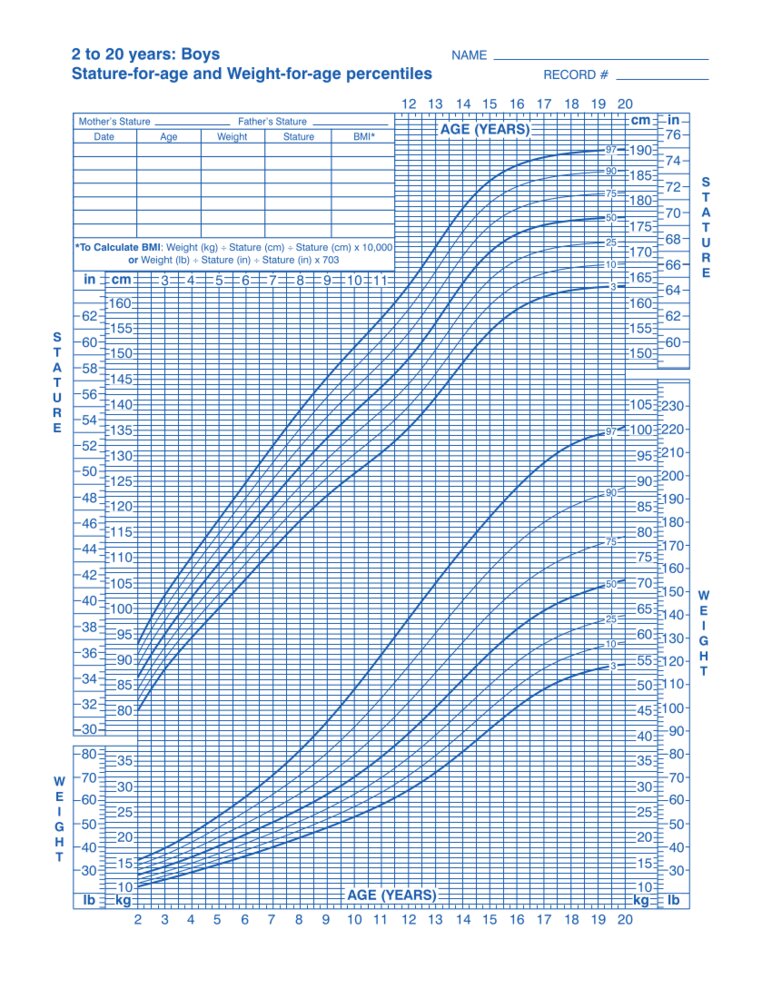
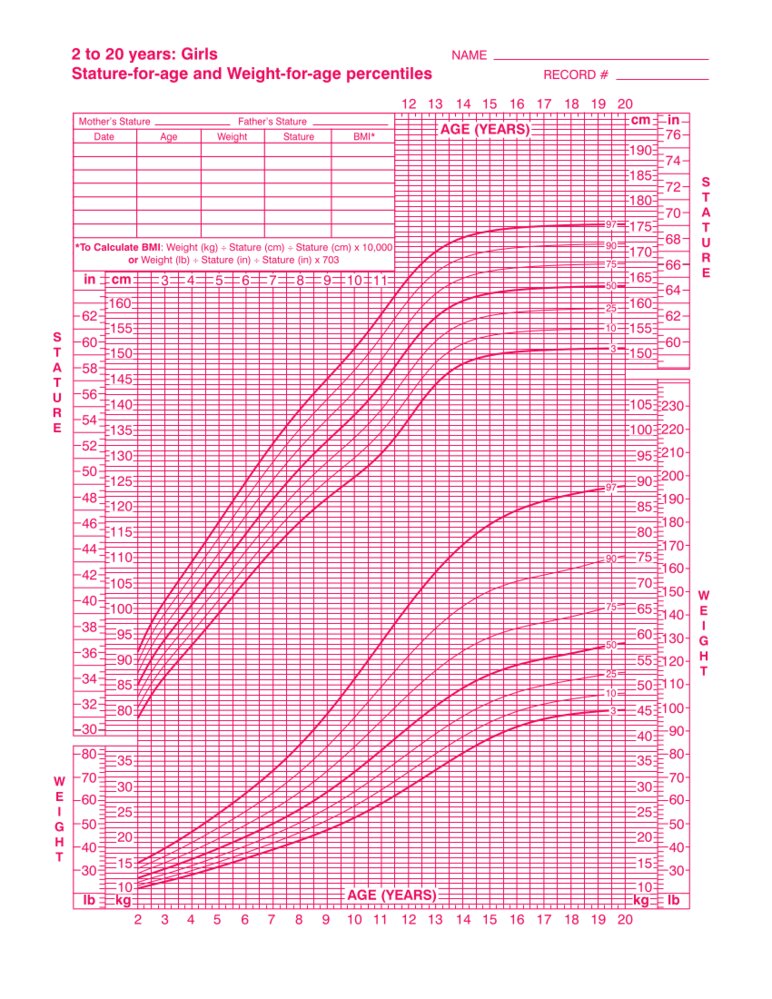
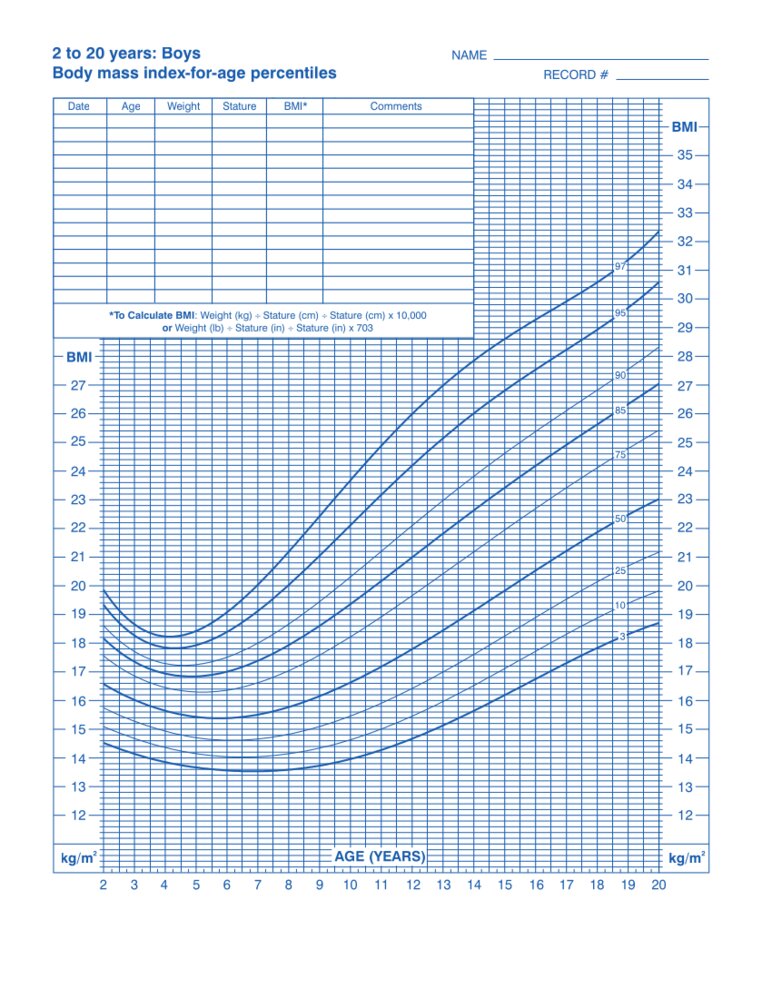
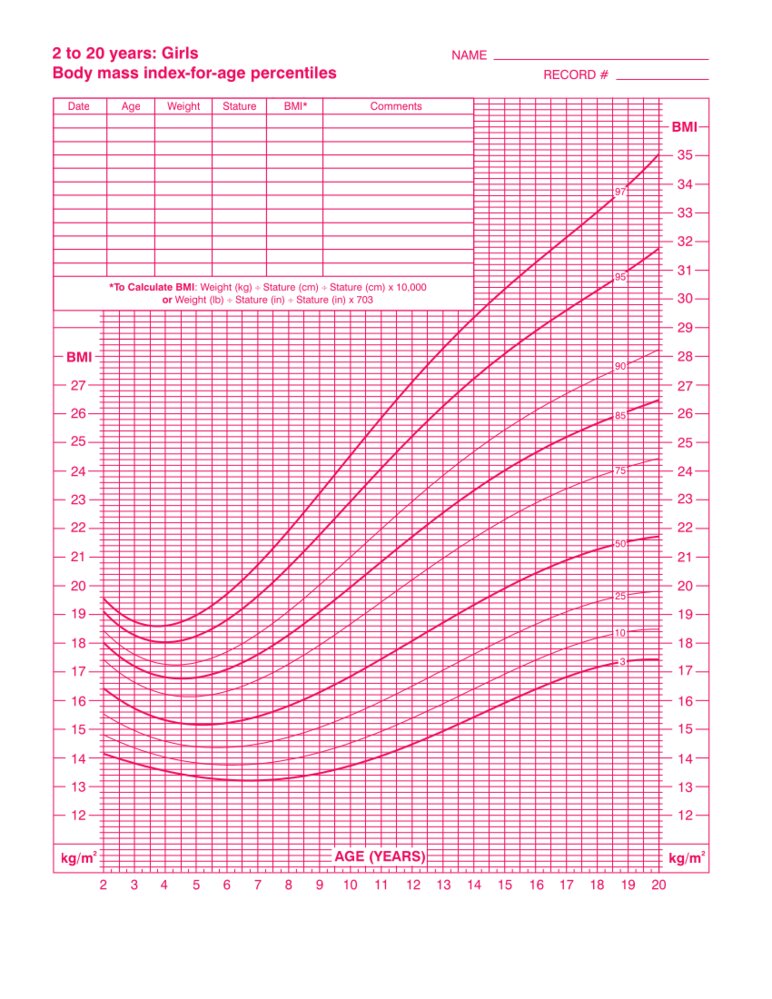
Counseling and prevention
| Preventive health recommendations for adolescents [3][4] | |
|---|---|
| Recommendations | |
| Healthy eating [3][7] |
|
| Exercise [3] |
|
| Sleep |
|
| Oral health [3] |
|
| UV exposure [3][10][11] |
|
| Hearing [3] |
|
| Immunizations |
|
Do not encourage dieting in adolescents, as it increases the risk of developing an eating disorder. [7]
Screening [3][13]
- Evaluate physical development (see also “Tanner stages”).
- Order diagnostic studies for adolescents with delayed puberty.
- For patients who have started to menstruate, screen for menstrual cycle abnormalities.
- Screen adolescents at least once for bloodborne pathogens (BBPs).
- Use the 5 Ps of sexual health assessment to determine what sexual health screening is required.
- Be aware that adolescents may have experienced child sexual abuse or sexual violence.
- Ensure individuals understand sexual consent.
- Check for red flags for human trafficking.
- For pregnant individuals, see “Prenatal screening.”
- Be aware that adolescents may have experienced child sexual abuse or sexual violence.
Individuals who are not sexually active may still be at risk of BBPs. Inquire about risk factors for BBPs and offer screening as appropriate.
Bloodborne pathogens (BBPs)
- Offer screening at least once for all individuals: [13]
- ≥ 13 years of age for HIV screening [2][14][15]
- ≥ 18 years of age for hepatitis C screening
- For individuals with risk factors for hepatitis B infection (including those who have been vaccinated): [16]
- Screen once and, if negative, offer hepatitis B vaccination if immunizations are incomplete.
- For patients who decline vaccination, the optimal repeat screening interval is unclear.
- For patients with ongoing risk factors for BBPs, obtain:
- Hepatitis C screening annually [2]
- HIV screening at least once a year (consider every 3–6 months) [2][15][17]
Opt-out screening for HIV, after informed consent, is recommended in all clinical settings. [13]
HPV and cervical cancer screening [18]
- Start screening from age 21 years old using cervical cytology.
- Repeat cervical cytology every 3 years if results are normal.
- See “Cervical cancer screening” for further information.
Cervical cancer screening recommendations are only for asymptomatic patients; patients of any age with concerning symptoms should undergo a full diagnostic workup (e.g., see “Diagnostics of abnormal uterine bleeding.”)
STI screening for sexually active adolescents
- The following recommendations are for asymptomatic individuals.
- Individuals who are symptomatic or present following a high-risk exposure should be offered tailored screening.
- These recommendations are in addition to the one-off screening for BBPs that is recommended for all adolescents.
| STI screening for asymptomatic adolescents [2][3][13] | ||
|---|---|---|
| Recommended tests | ||
| Adolescents with female genitalia |
|
|
| Adolescents with male genitalia | Who have sex with men |
|
| Who have sex with women |
|
|
Counseling and prevention [3][4][21]
Provide a confidential environment to discuss sensitive topics and reassure the adolescent that they can ask questions about anything related to their health, sexuality, and/or development. [3]
-
Anticipatory guidance: Educate younger adolescents on the following.
- The menstrual cycle and menstrual cycle abnormalities
- Psychosocial and cognitive changes during puberty
-
Sexual health counseling [21][22]
- All individuals: Provide comprehensive education on sexual activity and sexual health.
- 11–14 years of age: Encourage sexual abstinence. [3]
- Review history and provide recommended immunizations for HAV, HBV, and HPV according to the ACIP schedule.
-
Contraception counseling: Provide to all adolescents who could become pregnant, in accordance with state laws regarding parental consent for minors.
- Long-acting reversible contraception is preferred (see “Contraception in adolescent individuals”).
- Recommend folic acid supplementation to prevent fetal neural tube defects, even if pregnancy is not planned. [23]
-
HIV prevention
- Consider HIV preexposure prophylaxis (PrEP) for patients with indications for HIV PrEP.
- Educate adolescents on indications for HIV postexposure prophylaxis (PEP) and where it can be obtained in an emergency.
Use an affirmative care approach to create an inclusive environment. [24]
Transgender adolescents are at increased risk of STIs and require screening individualized to their anatomy; see also “Principles of transgender health care.”
Disclose the results of STI testing directly to the adolescent via their preferred contact method; be aware of state laws regarding confidentiality for minors. [17]
Screening
| Mental health, substance use, and safety screening for adolescents [2][3][4] | ||||
|---|---|---|---|---|
| Indication | Tool | Next steps | ||
| Developmental assessment |
|
|
|
|
| Anxiety, depression and suicide [26][27][28] |
|
|
|
|
| Eating disorders [30][31][32] |
|
|
|
|
| Alcohol and drug use [33][34][35] |
|
|
|
|
| Nicotine use [36][37][38] |
|
|
|
|
| Intimate partner violence [41] |
|
|
|
|
| Firearm safety [42][43][44] |
|
|
|
|
Social determinants of health can affect an adolescent's mental and physical health; inquire about them using an established questionnaire (e.g., the WE CARE survey) and refer to local programs for support. [46][47]
Use a Screening, Brief Intervention, and Referral to Treatment (SBIRT) approach to address problematic substance use in adolescents. [35]
Ensure close follow-up after initiation of pharmacological therapy for smoking cessation in adolescents and monitor for neuropsychiatric symptoms. Adolescents are at high risk of treatment nonadherence and nicotine use relapse. [36]
Additional safety counseling [3][4]
Ask the adolescent about their personal experiences and behaviors before providing the following recommendations.
Digital media use [3][4]
- Communicate openly about digital media use among household members.
- Use an agreed plan for limits on screen time, scheduled screen-free time, and caregiver supervision (for younger adolescents).
- Interact respectfully with others and avoid cyberbullying.
- Be cautious about information shared online; check privacy settings.
- Report any of the following to a trusted adult:
- Cyberbullying
- Nonconsensual sharing of images
- Sexting
- Online solicitation
- Any potential threats to safety
Vehicle safety [3][4]
- Always wear a seatbelt.
- Always ride with a sober driver.
- When driving:
- Do not use mobile devices.
- Follow graduated driver license guidelines.