Age-related macular degeneration (AMD) is a degenerative disease of the retina and represents the most common cause of blindness in individuals > 65 years in developed countries. It is classified into two major forms: dry AMD and wet AMD. Dry AMD is caused by deposition of various metabolites under the retinal pigment epithelium (drusen) and usually develops over decades, while wet AMD is caused by neovascularizations growing into the subretinal space and manifests within weeks to months or even acutely. Both forms ultimately cause impaired central vision and can, in rare cases, lead to complete blindness. Patient history and clinical tools such as the Amsler grid can provide clues regarding visual impairment. Fundoscopy is needed to identify specific pathological changes. Fluorescein angiography may be used to confirm the diagnosis of wet AMD. Treatment focuses on slowing vision loss and/or improving vision.
AMD is the leading cause of blindness in individuals > 65 years in developed countries.
- Age of onset: : usually > 55 years [1]
- Prevalence: 1.47% [2]
- Sex: ♀ > ♂ [1]
Epidemiological data refers to the US, unless otherwise specified.
- Multifactorial
-
Risk factors
- Advancedage
- Family history and genetic predisposition
- Cardiovascular disease
- Smoking
- Obesity
AMD is characterized by progressive degenerative changes in the central part of the retina (macula) → visual impairment.
-
Dry AMD (∼ 90%)
- Also referred to as nonexudative AMD or atrophic AMD
- Deposition of yellow-whitish material consisting of lipids, vitronectin, and other proteins (drusen) in the retinal pigment epithelium and between it and Bruch membrane; → slow progressive atrophy of the local retinal pigment epithelium (centrally or pericentrally)
-
Wet AMD (∼ 10%)
- Also referred to as exudative AMD or neovascular AMD
- Choroidal neovascularization (between the retinal pigment epithelium and Bruch's membrane) → leaking of intravascular serous fluid and blood; → sudden localized elevation of the macula and/or detachment of the retinal pigment epithelium
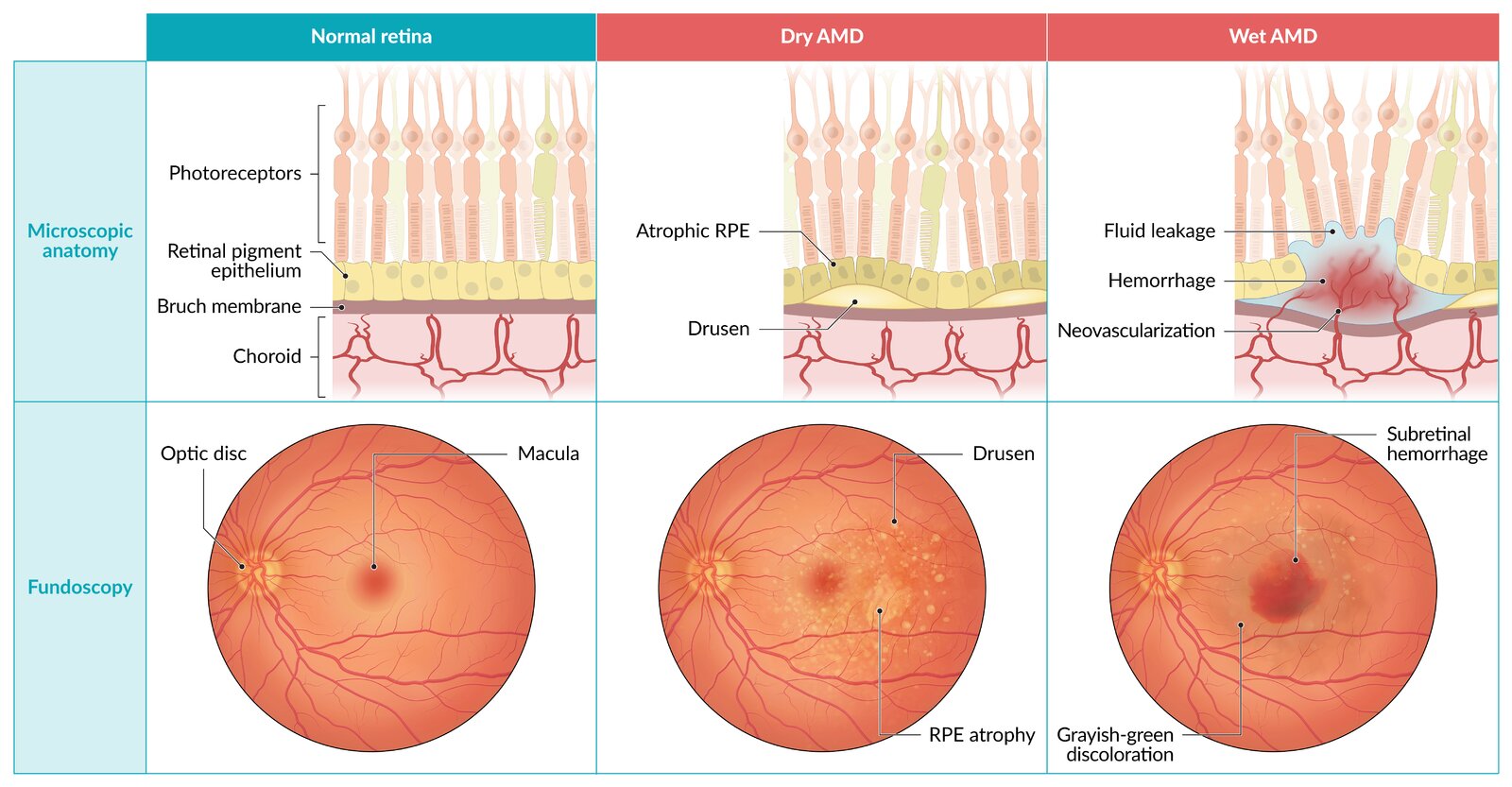
References:[3]
-
Painless central or pericentral visual impairment ; → reduced visual acuity, difficulty adapting to changes in lighting
- Dry AMD: slow progressive visual impairment (usually over decades) and unilateral or bilateral onset
- Wet AMD: acute ; or insidious onset (over weeks to months) and usually manifests in one eye first
- Metamorphopsia: type of visual distortion in which straight lines appear wavy, which can be tested for using an Amsler grid
- Scotoma (blind spot)
References:[3]
Both, wet and dry AMD
- Amsler grid: detection of metamorphopsias and scotomas
-
Fundoscopy
-
Dry AMD
- Drusen
- Retinal pigment epithelium atrophy
- Retinal pigment epithelium hypertrophy (mottling)
-
Wet AMD
- Grayish-green retinal discoloration
- Serous detachment of the retina and the retinal pigment epithelium
- Subretinal and intraretinal hemorrhage and/or exudate
- Fibrous disciform scars
-
Dry AMD
If wet AMD is suspected
-
Fluorescence angiography
- Dry AMD: well-defined hyperfluorescence of the altered retinal pigment epithelium
- Wet AMD: neovascularization and exudation (diffuse hyperfluorescence) in the macular region
- Color fundus photography: enables evaluation of disease progression and interpretation of fluorescein angiography
-
Optical coherence tomography (OCT)
- Detection of intraretinal or subretinal fluid retention
- Helps confirm diagnosis of wet AMD and to monitor progress under treatment
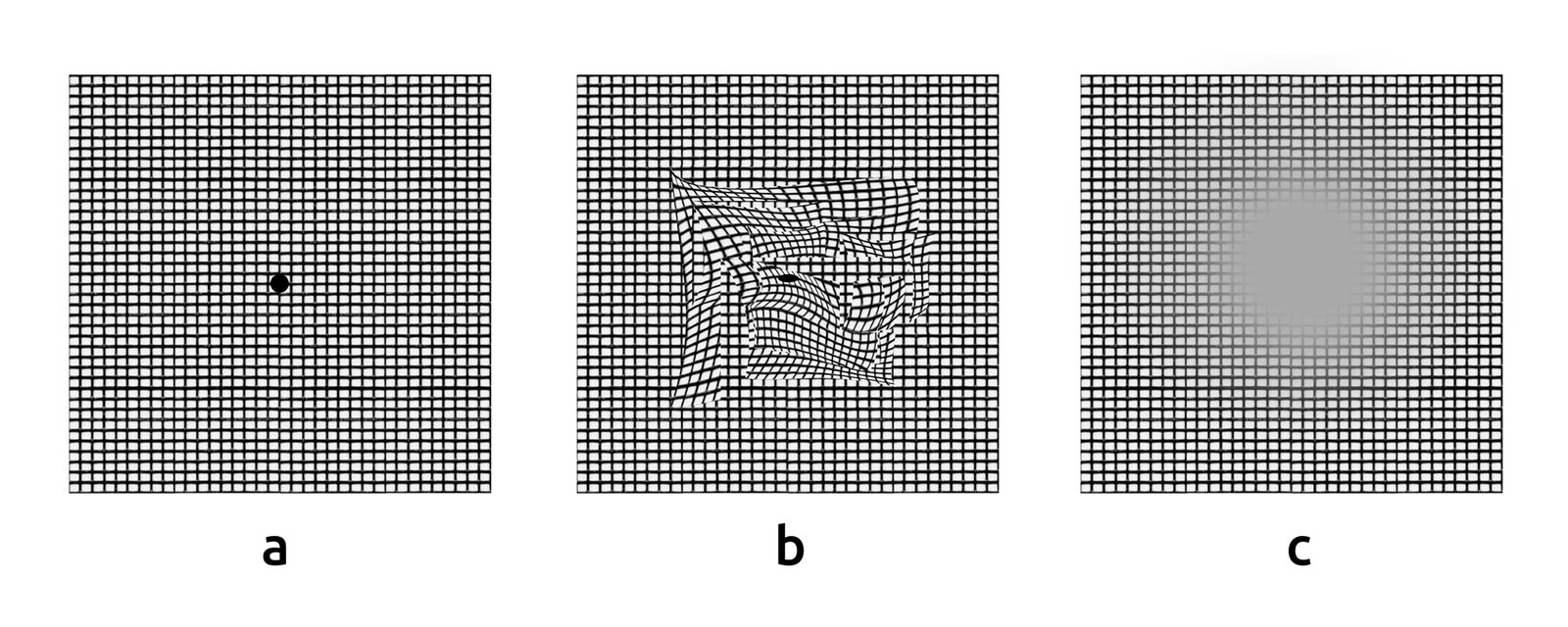
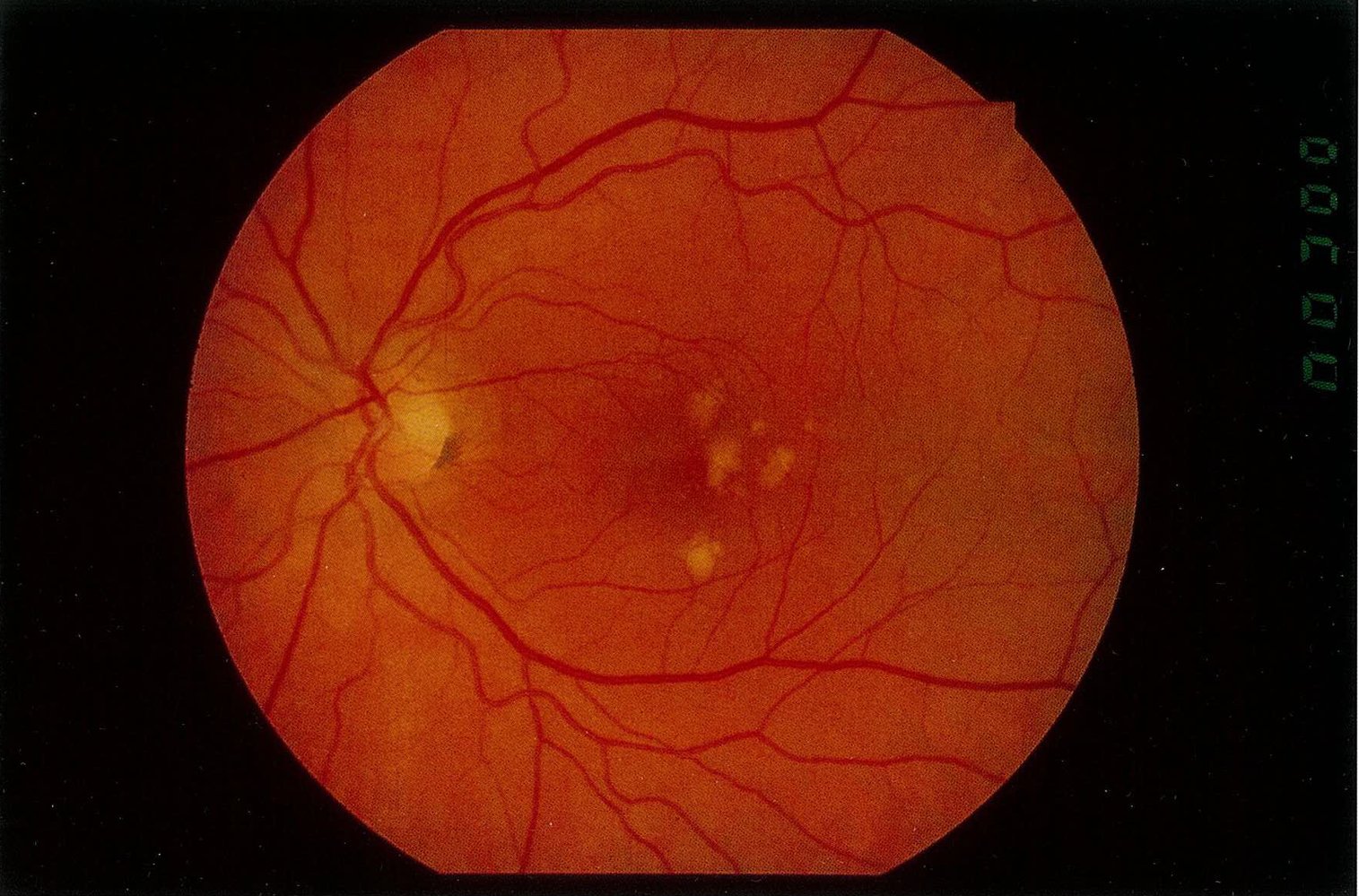
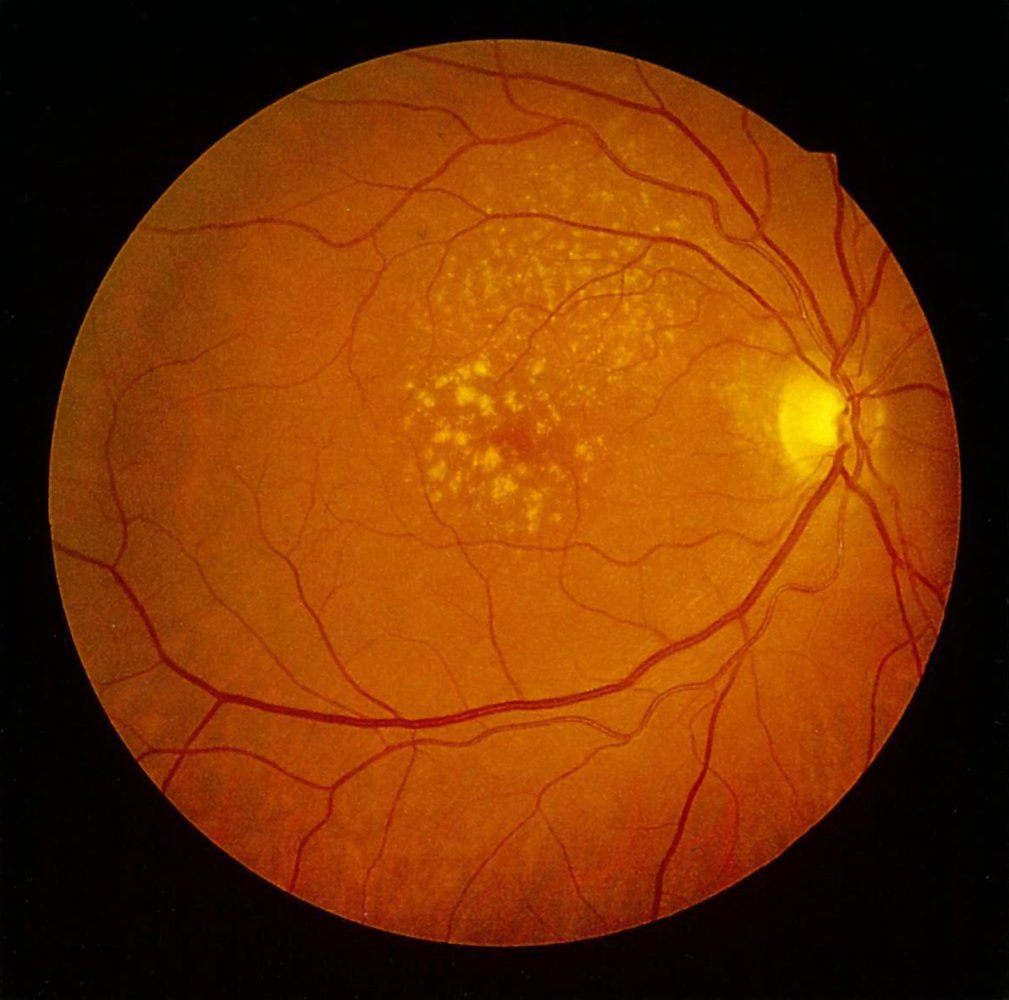
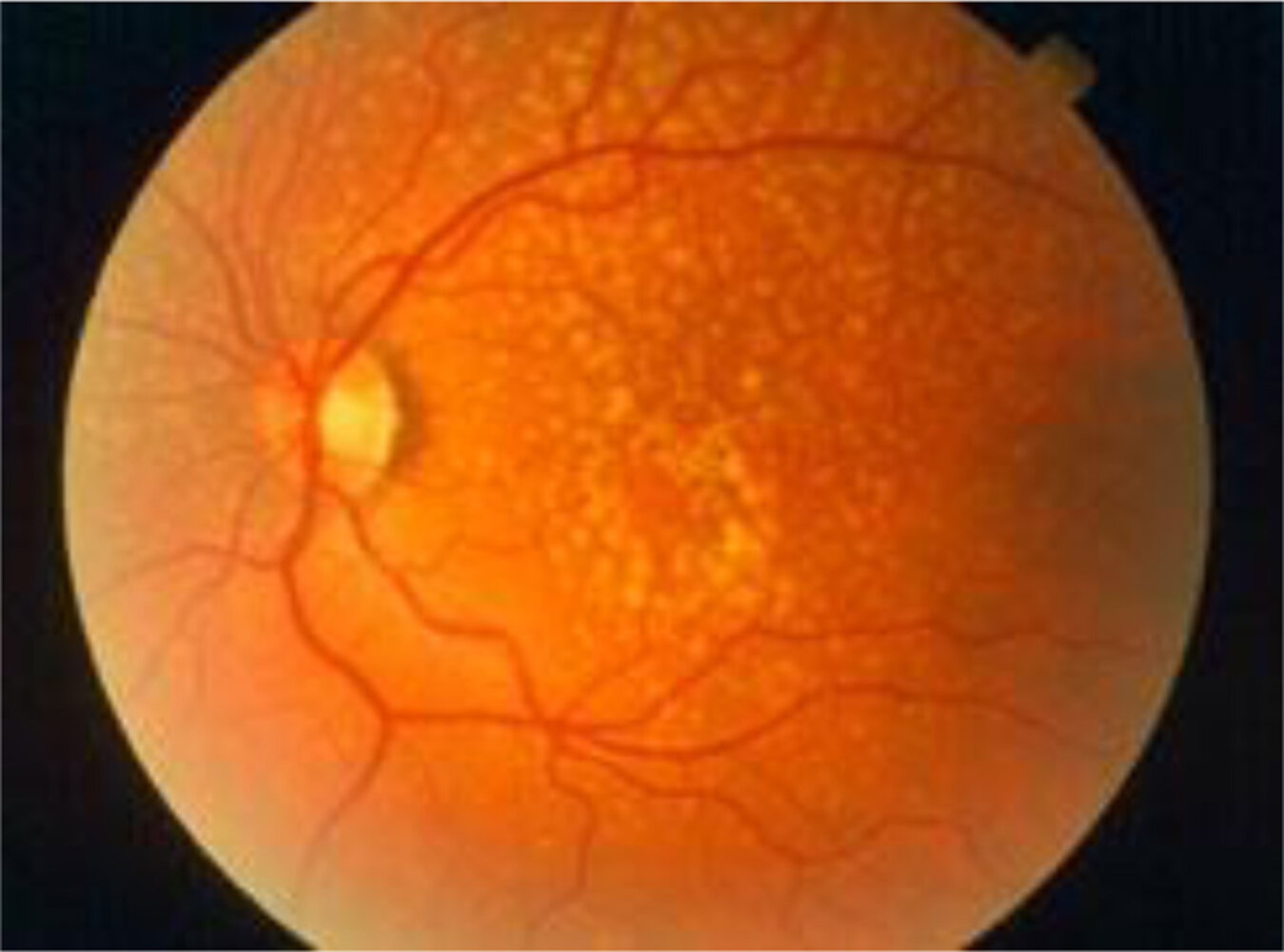
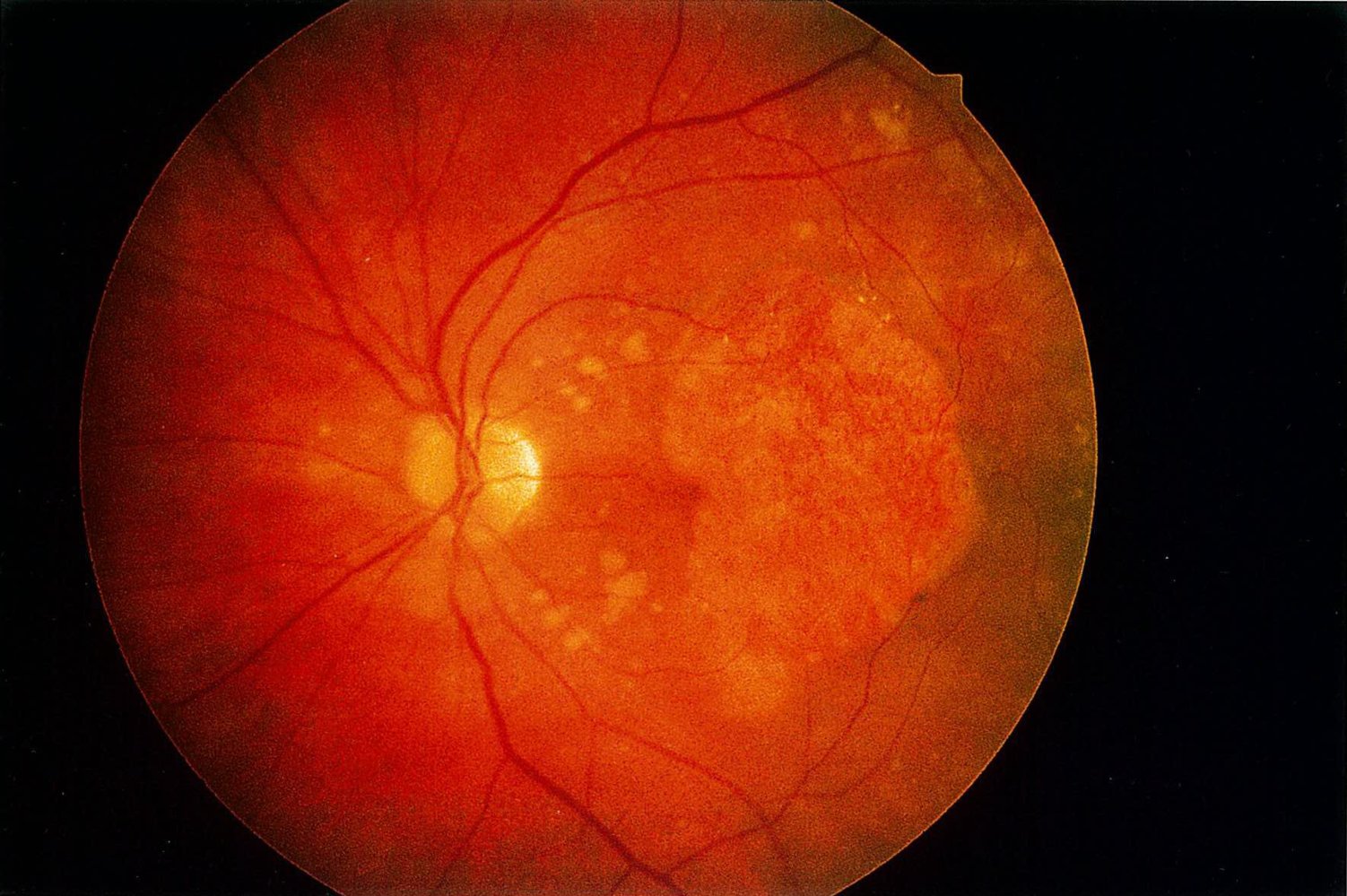
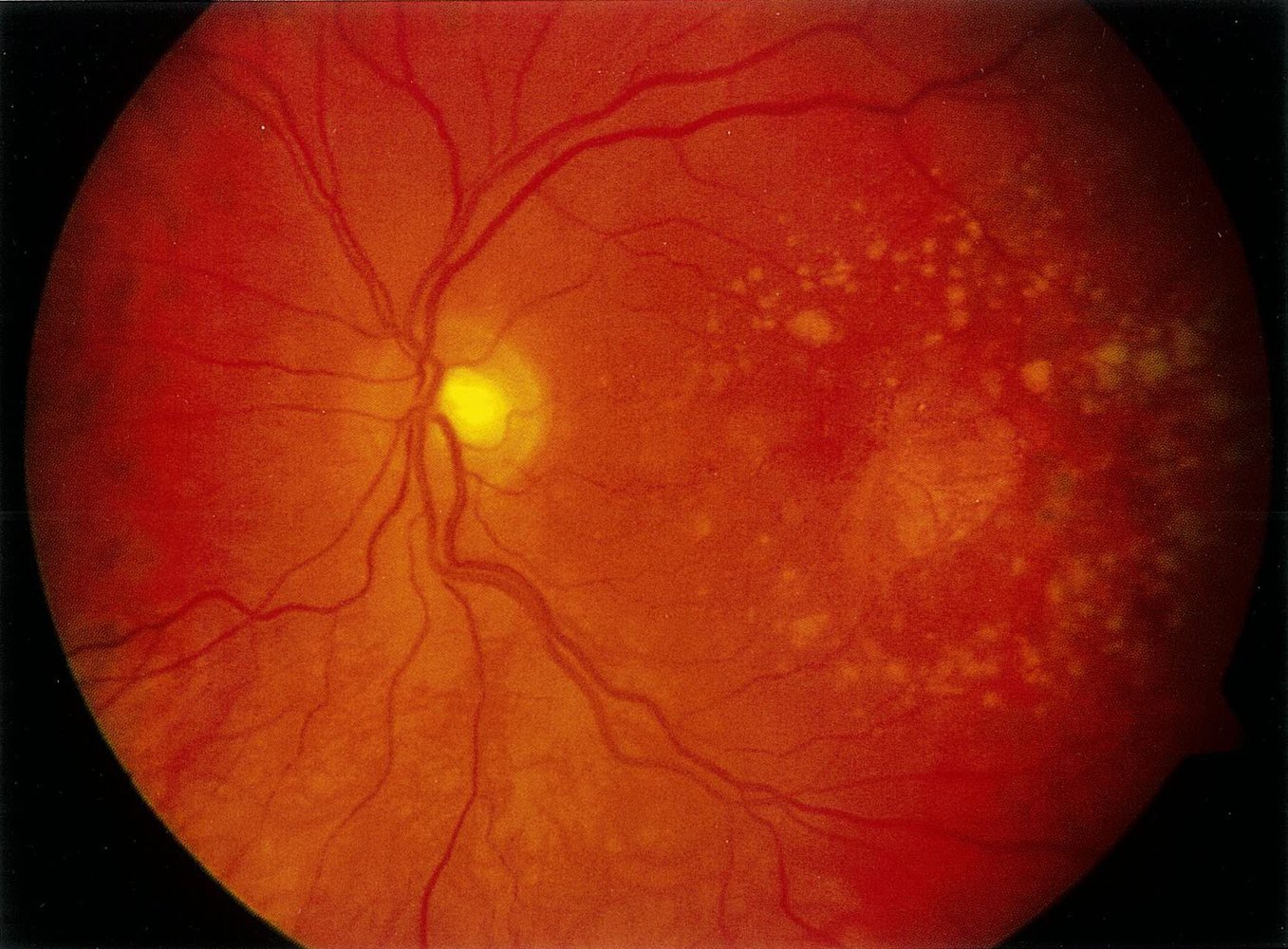

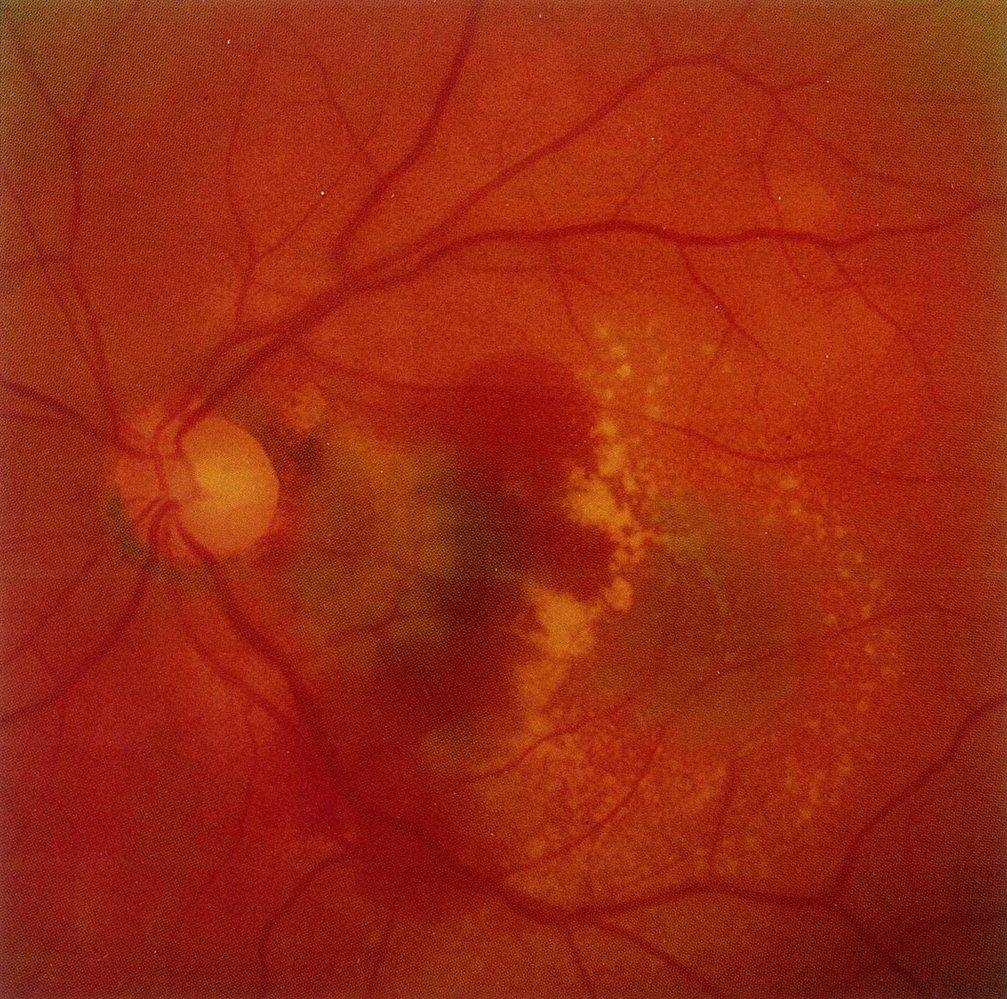
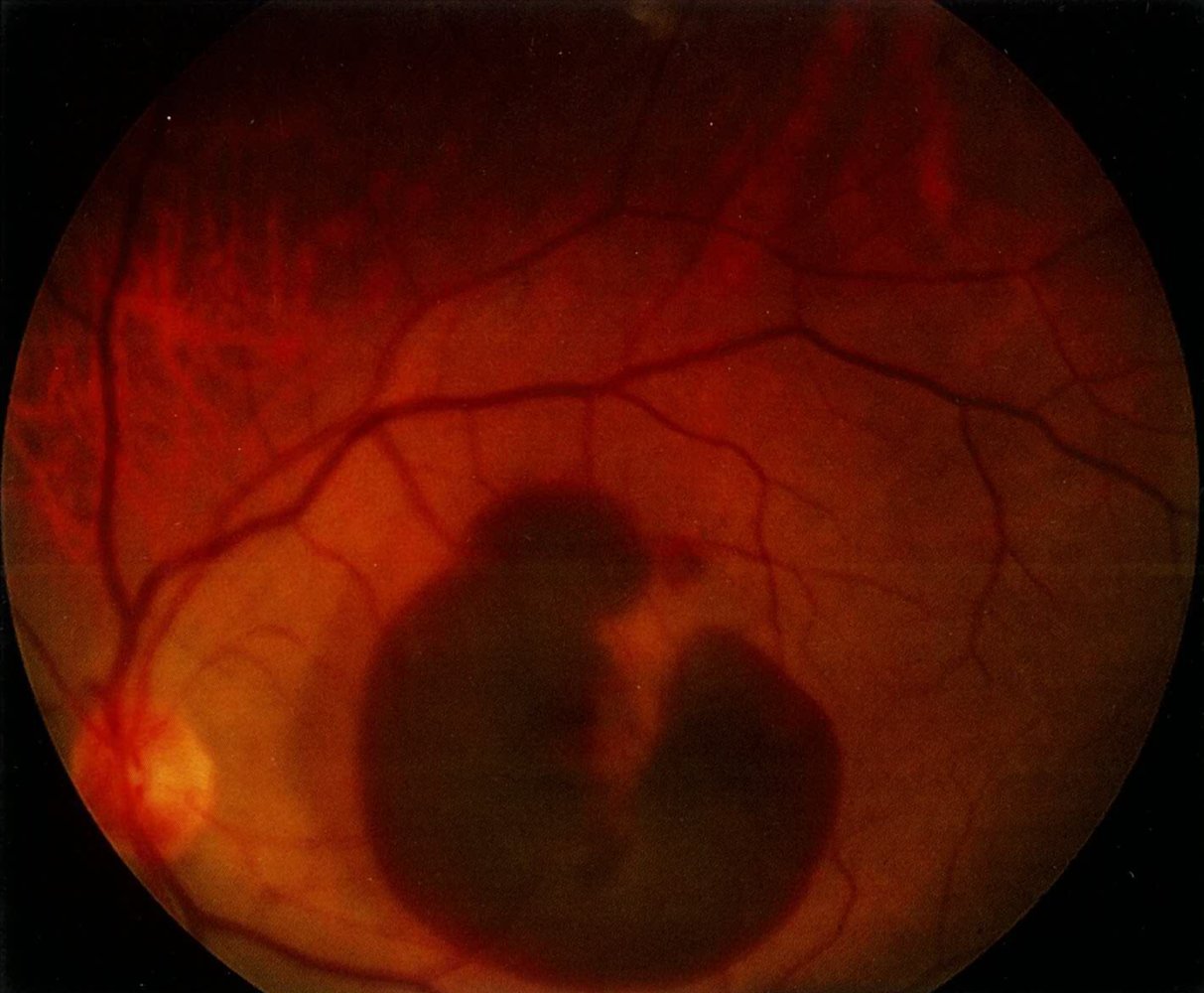
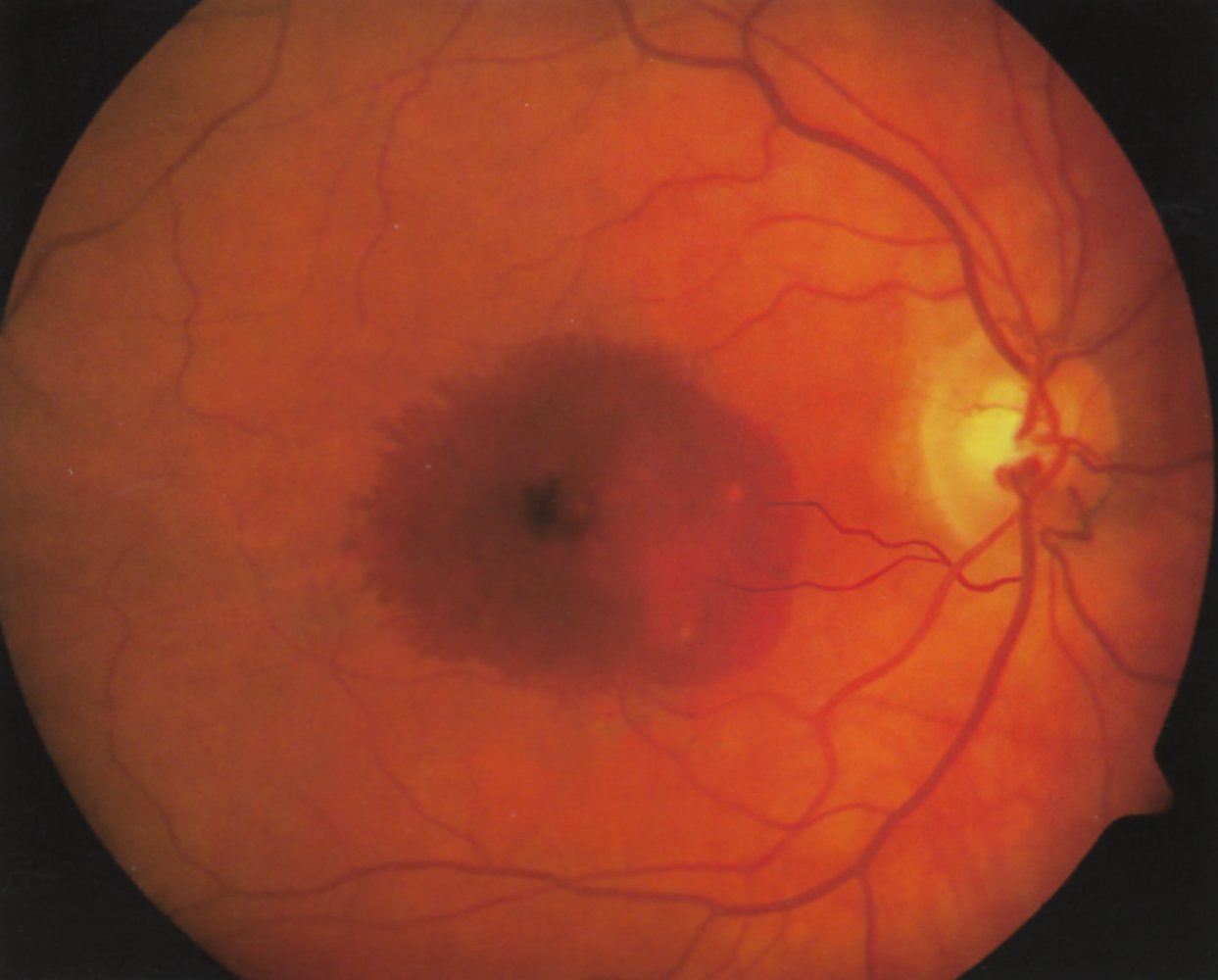
References:[3][4]
| Differential diagnosis of vision loss | ||
|---|---|---|
| Condition | Clinical features | Fundoscopy |
| AMD |
|
|
| Open-angle glaucoma |
|
|
| Central retinal artery occlusion |
|
|
| Retinal detachment |
|
|
| Cataract |
|
|
The differential diagnoses listed here are not exhaustive.
No causal treatment is available.
-
Supportive treatment
- Patient education
- Visual and reading aids: magnifying glass
- Avoid risk factors (e.g., smoking)
- Improve diet (i.e., high in green leafy vegetables and fish)
- Antioxidants therapy: vitamins A, C, and E, beta-carotene, zinc
-
Treatment of wet AMD
- First-line: injection of VEGF inhibitors (ranibizumab, bevacizumab, pegaptanib) into the vitreous body
-
Second-line: when VEGF is contraindicated
- Laser coagulation: direct thermal coagulation of neovascularization
- Photodynamic therapy: intravenously administered dye is activated in the eye by laser light → local toxic effect → thrombosis of subretinal neovascularizations
- Chronic progressive course for both types
- Prognosis for dry AMD is significantly better than for wet AMD
- Complete loss of central vision is possible but rare