Embryology is the study of the origin and prenatal development of an organism, comprising the germinal (first two weeks from conception), embryonic (third to eighth week from conception), and fetal period (ninth week from conception until birth). Gestation in embryology refers to conceptional age, i.e., the time period from conception to birth, and should be distinguished from gestational age, an obstetrics term, which is measured in weeks following the first day of the mother's last menstrual period. Primordial cells develop during the embryonic period and migrate to the developing gonads. Further maturation into fertile oocytes and spermatozoa occurs via meiosis during different stages of male and female organism development. Embryonic stem cells are pluripotent and can differentiate into almost any type of tissue, thus being of great interest in the research and development of new therapeutic approaches. For more information on the morphogenesis of organ systems, see the article on embryogenesis.
- Definition: the study of the origin and prenatal development of an organism.
- Timing: The periods of embryonic development are measured from the actual point of conception (i.e. conceptional age).
| Periods of embryonic development [1] | ||
|---|---|---|
| Period | Conceptional age | Events |
| Germinal period | 1–2 weeks |
|
| Embryonic period | 3–8 weeks |
|
| Fetal period | 9 weeks to birth |
|
Organ system development begins during the embryonic period, while organ maturation occurs during the fetal period!
Primordial germ cell development
- Occurs during the 4th week of embryonic development
- Primordial germ cells arise from the yolk sac and migrate to the developing gonads of the urogenital folds.
- After meiosis, primordial germ cells mature to sex-specific gametes (oocytes and spermatozoa).
Germline
- Definition: the cells that develop into mature germ cells (gametes), which pass genetic material on to progeny
-
Process: involves meiosis of primordial germ cells within the gonads
- Oogenesis (development and maturation of the ova): the production of an oocyte with 2–3 polar bodies
- Spermatogenesis (sperm cell development): production of four functional spermatids
Four functional spermatids or an oocyte with three polar bodies are produced from one primordial germ cell.
All of the oocytes that will ever be produced are formed during the fetal period, whereas sperm production begins at puberty and never stops!
Overview [2][3]
- Definition: germ cell maturation in which four daughter cells with a recombinant genome are produced from one germ cell
-
Process: Meiosis involves two major phases (referred to as meiosis I and meiosis II) occurring after DNA replication during the S phase of interphase.
-
Meiosis I (equatorial division)
- Synapsis (syndesis): the pairing of homologous chromosomes
- Genetic recombination: Individual chromosome segments are exchanged between the maternal and paternal chromatids of homologous chromosomes (recombination) in a process known as crossing over.
-
Chromosome number reduction:
- A diploid set of chromosomes is divided in half when the homologous chromosomes separate from one another.
- Disjunction of chromosomes occurs without centromere splitting generating 2 haploid daughter cells, each with 23 chromosome pairs.
-
Meiosis II (nuclear division):
- Generally corresponds to the phases of mitosis
- Sister chromatids of each chromosome from the haploid set separate from each other.
- Disjunction occurs with centromere splitting; each cell entering meiosis II produces 2 daughter cells, each with 23 chromosomes.
-
Meiosis I (equatorial division)
-
Result
- Cell number: 1 mother cell → 4 daughter cells
- Set of chromosomes: diploid mother cell (2n) → haploid daughter cell (1n)
- DNA content: 4 chromatids of the mother cell (4C) → 1 chromatid per daughter cell (1C)
- For sex-specific features, see female reproductive organs and male reproductive organs.

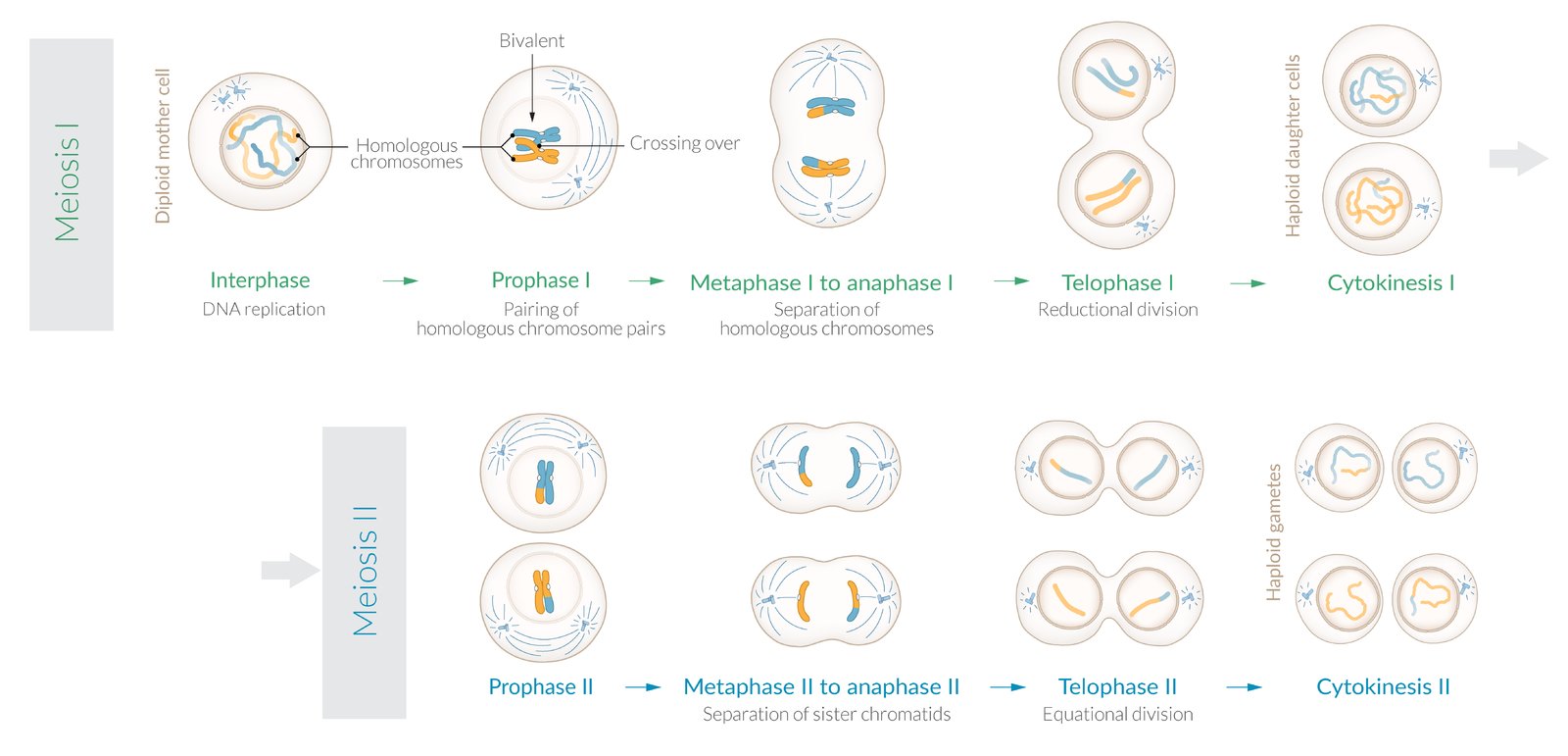

Stages of meiosis I
| Stage | Number of cells | Chromosome set | DNA content | |
|---|---|---|---|---|
| Prophase I |
|
|
|
|
| Metaphase I |
|
|||
| Anaphase I |
|
|||
| Telophase I |
|
|
|
|
Stages of meiosis II
| Stage | Description | Number of cells | Chromosome set | DNA content |
|---|---|---|---|---|
| Prophase II |
|
|
|
|
| Metaphase II |
|
|||
| Anaphase II |
|
|||
| Telophase II |
|
|
|
|
- Definition: cells capable of differentiating into specialized cells (potency) as well as replicating while maintaining their undifferentiated state (self-renewal)
-
Cell division
- Symmetric division: Both daughter cells have stem cell properties.
- Asymmetric division: One daughter cell is a copy of the mother stem cell and the other one is a precursor cell with differentiated properties.
-
Characteristics
- Totipotency (omnipotency): the ability of a cell to differentiate into all cell types, including extraembryonic (placental) cells
- Pluripotency: the ability of a cell to differentiate into all cell types, with the exception of extraembryonic cells (for example, the cells of the ectoderm, which can differentiate into nerve or skin cells, but not into other germ layer cells)
- Multipotency: the ability of a cell to differentiate into more than one related cell type (for example, hematopoietic stem cells, which can differentiate into myeloid or lymphoid cells)
-
Classification
-
Embryonic stem cells (ESCs)
- Pluripotent cells that can only develop into embryonic cells, but not trophoblastic cells
- Originate from the inner cell mass during the blastocyte stage
-
Adult stem cells
- Pluripotent cells that provide a supply of cells for regenerative tissue
- Originate from differentiated tissues with high replication potency (e.g., bone marrow)
-
Embryonic stem cells (ESCs)
Hematopoietic stem cell transplantation is used to treat hemato-oncologic conditions, e.g., leukemias.
| Molecules involved in embryogenesis [4][5][6] | |||
|---|---|---|---|
| Types of molecules | Subgroup/components | Function | |
| Transcription factors |
|
|
|
|
|
||
|
|
||
|
|
||
|
|
||
| Growth factors |
|
|
|
|
|
||
|
|
||
|
|
||
|
|
||
|
|
||
|
|
||
| Cell adhesion molecules |
|
|
|
|
|
||
|
|
||
| Intercellular channels |
|
|
|
| Extracellular matrix |
|
|
|
| Relevant hormones involved in embryogenesis |
|
|
|
|
|
||
The FGF gene triggers the Fetal Growth of Fingers.
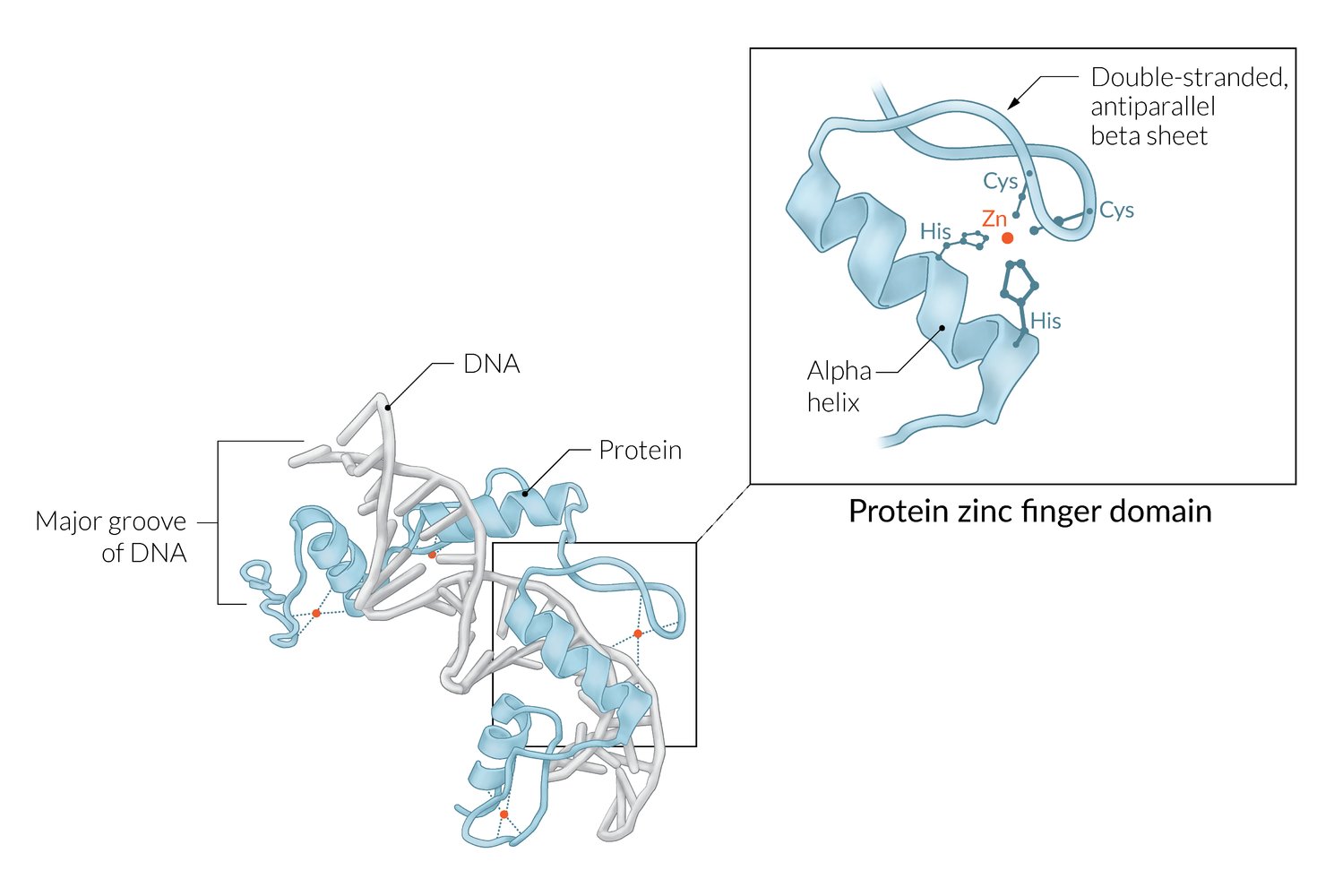
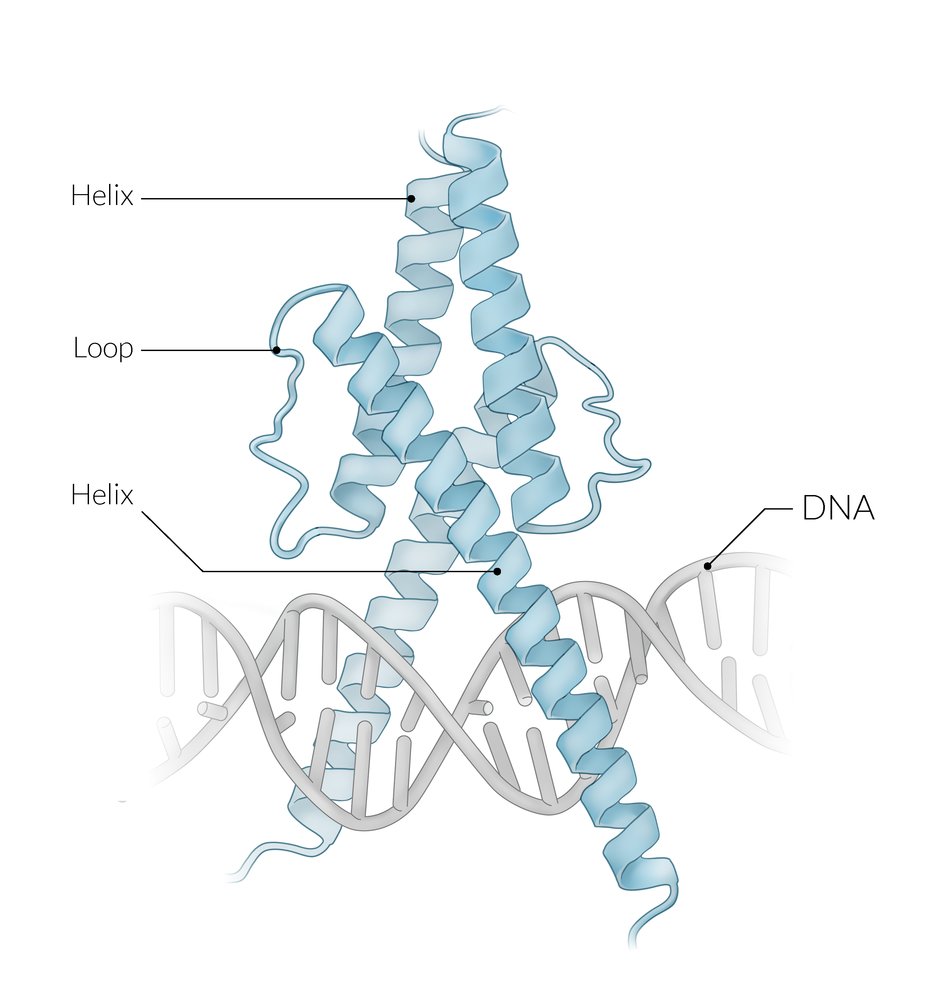
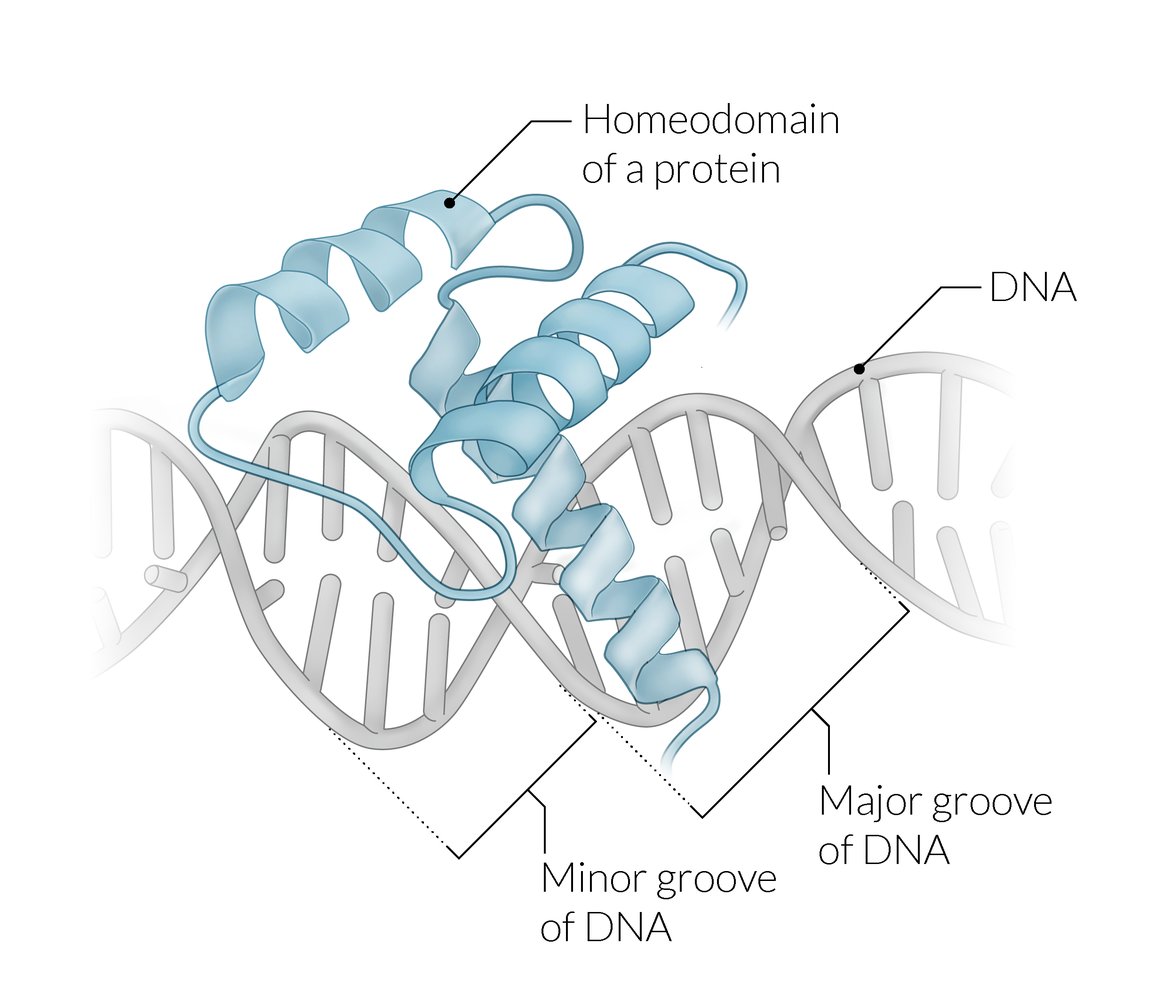
| Cellular developmental processes [4] | |||
|---|---|---|---|
| Process | Description | Examples of the process | Examples of associated pathology |
| Apoptosis | Programmed cell death | Fragmentation and, thus, the separation of the webbed embryonic fingers and toes | Syndactyly |
| Differentiation | The process by which primitive (e.g., stem cells) become specialized cells | Spermatogenesis and oogenesis | Infertility |
| Fusion | Joining of two or more cells, epithelium, or tissue | Linea alba (abdominal wall) is formed by by fusion of the aponeurosis of abdominal muscles | Gastroschisis |
| Membrane of the oocyte fuses with a spermatozoid during fertilization | Infertility | ||
| Medial facial prominences are fused to form the midline of the nose and philtrum of the upper lip | Cleft lip | ||
| Anterior ⅔ and posterior ⅓ of the tongue | N/A | ||
| Urethral folds of the penis | Hypospadias | ||
| Heart septae are formed by fusion of endocardial cushions | Endocardial cushion defects, e.g., persistent foramen ovale | ||
| Migration | Movement of the cells to a specific destination | Neural crest cells along the gastrointestinal tract | Hirschsprung disease |
| Neural crest cells to the heart | Conotruncal cardiac abnormalities | ||
| Primordial germ cell from the yolk sac to the undifferentiated gonads | Differences (disorders) of sex development | ||
| Neuronal cells during fetal brain development | Lissencephaly: underdevelopment of cerebral grooves and folds | ||
| Proliferation | Increase in the number of cells (mediated by cell division) | Gastrulation | Conjoined twins |