Nutrition is the intake and metabolization of substances the body requires to grow and maintain life. These substances are referred to as “nutrients,” and they are typically ingested orally as food, although specialized nutrition support via enteral feeding or parenteral nutrition may be necessary in patients incapable of eating (e.g., in coma patients and those with severe dysphagia). Nutrients can be divided into essential nutrients, which cannot be synthesized by the body and, therefore, require intake with food (e.g., vitamins, minerals), and nonessential nutrients, which can be synthesized by the body in adequate amounts but are nonetheless a vital part of a healthy diet (e.g., carbohydrates, proteins, and fats). Dietary fiber represents a separate class of nutrients, as it provides little to no actual nutrition but nonetheless has a significant impact on health. Nutrients can be further divided into macronutrients, which humans require in relatively large amounts (fats, carbohydrates, protein), and micronutrients (vitamins and minerals), which humans require in relatively small amounts. Nutrients provide energy; the building blocks for structural growth, maintenance, and repair; and support metabolism, enable the synthesis of endogenous nutrients, and facilitate vital chemical reactions in the body. The amount of energy a body requires depends on metabolic rate, thermogenesis, physical activity, and physical composition. In order to generate energy, the body converts macronutrients into adenosine triphosphate (ATP) through aerobic, anaerobic, protein, and ketone body metabolism. When nutrition provides excess energy, the body stores the excess energy as fat and glycogen; these stores are depleted during times of energy deficiency. Certain states and disorders can lead to nutritional deficiencies (e.g., malignancy), excesses (e.g., metabolic syndrome), or changes in nutritional demand (e.g., pregnancy, high level of activity), which require nutritional adjustment or supplementation. Certain elective diets such as a vegetarian or vegan diet can provide health benefits if balanced nutrition is ensured, while others, especially fad diets focused on quick weight loss or such based on pseudoscientific principles, may not provide balanced nutrition with potentially detrimental health effects. Nutritional status is of central clinical importance, as it can greatly influence disease outcomes and provide valuable information on risk factors, especially with regard to obesity and associated conditions. Nutritional status is assessed based on presentation, history, BMI, and waist circumference.
For further information and discussion of nutritional topics not covered here, see the articles on “Carbohydrates,” “Lipids and their metabolism,” “Amino acids,” “Proteins and peptides,” “Vitamins,” “General metabolism,” “Nutrition during pregnancy,” “Infant nutrition and weaning,” “Specialized nutrition support,” “Protein-energy malnutrition,” and/or ”Water metabolism.”
Essential and nonessential nutrients [1]
| Essential nutrients | Nonessential nutrients | |
|---|---|---|
| Definition |
|
|
| Examples |
|
|
Macronutrients [1][2]
- Definition: nutrients that the body requires in relatively large amounts to ensure proper function, esp. carbohydrates, fats, and protein
| Overview of macronutrients | ||||
|---|---|---|---|---|
| Carbohydrates | Proteins | Fats | ||
| Digestible carbohydrates | Dietary fiber [1][3] | |||
| Definition |
|
|
|
|
| Source |
|
|
|
|
| Recommended dietary allowances |
|
|
|
|
| Caloric value |
|
|
|
|
| Function |
|
|
|
|
| Storage |
|
|
|
|
| Relevant articles |
|
|
|
|
Micronutrients
- Definition: nutrients that the body requires in small amounts to ensure proper function, esp. vitamins and minerals
Vitamins
- Definition: a diverse class of organic compounds essential to nutrition in minute quantities
- Vitamin-rich foods: vegetables, fruit, whole grains, legumes, animal products (especially vitamin B12, vitamin A)
- Function: coenzymes, antioxidants, play a role in hormone function
-
Types
-
Fat-soluble vitamins
- Vitamin A (retinol)
- Vitamin D (calciferol)
- Vitamin E (tocopherol)
- Vitamin K (phytomenadione)
-
Water-soluble vitamins
- Vitamin B1 (thiamine)
- Vitamin B2 (riboflavin)
- Vitamin B3 (niacin)
- Vitamin B5 (pantothenic acid)
- Vitamin B6 (pyridoxine)
- Vitamin B7 (biotin)
- Vitamin B9 (folate)
- Vitamin B12 (cobalamin)
- Vitamin C (ascorbic acid)
-
Fat-soluble vitamins
- For more information, see the article “Vitamins.”
Minerals [1]
-
Definition: inorganic elements essential to nutrition in minute quantities [4]
- Macrominerals: minerals required in the range of milligrams to grams per day
- Trace elements: minerals required in the range of micrograms to milligrams per day
-
Sources
- Macromineral-rich foods: vegetables, fruits, grains, legumes, animal products
- Trace element-rich foods: animal products, legumes, nuts
-
Function
- Macrominerals
- Regulatory functions (e.g., fluid balance, enzymatic activity, and neuromuscular transmission)
- Structural components (e.g., in bones and teeth)
-
Trace elements
- Cofactors to reactions
- Constituents of essential molecules, transcription factors, and amino acids
- Macrominerals
-
Types
- Macrominerals [5]
- Calcium
- Magnesium
- Phosphorus
- Sodium
- Potassium
- Chloride
-
Trace elements [5]
- Iron
- Copper
- Zinc
- Iodine
- Selenium
- Sulfur
- Fluoride
- Macrominerals [5]
-
Energy
- The chemical, thermal, mechanical, and electrical power that drives and sustains all physical functions. In a biological system, energy is ingested in the form of chemical energy stored in food and translated into other forms of energy that are either stored or used to perform and maintain physical functions.
- Energy is measured in kilocalories (kcal) or kilojoules (kJ)
-
Energy balance: the balance of energy intake, generation, and expenditure
- Positive energy balance: more energy intake than expenditure → energy storage → weight gain
- Negative energy balance: less energy intake than expenditure → energy store depletion → weight loss
The body's energy metabolism is founded on converting nutrients to ATP, which then provides the energy necessary for all cellular processes. The synthesis of ATP is typically classified by the type of metabolic processes based on oxygen demand and triggering activity. For further information, see “Electron transport chain and oxidative phosphorylation.”
| ATP synthesis [6] | ||||
|---|---|---|---|---|
| Type of metabolism | Starting product | Characteristics | Triggering activity | Pathway |
| Aerobic metabolism [7] |
|
|
|
|
| Anaerobic metabolism [7] |
|
|
|
|
|
|
|||
| Protein metabolism [8] |
|
|
|
|
| Ketone body metabolism [9] |
|
|
|
|
Proteins and ketones are only used during catabolic states.
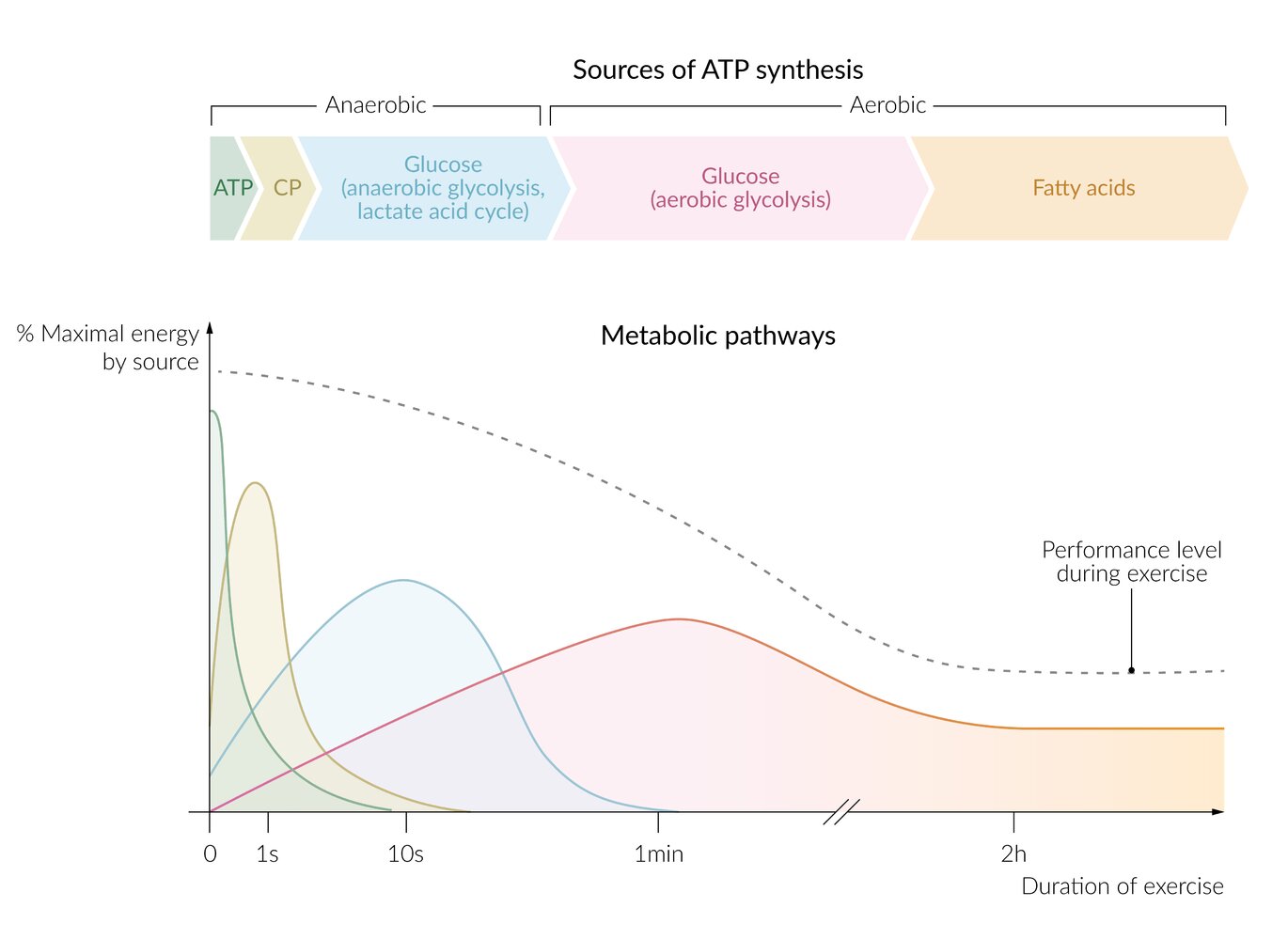
Energy expenditure is measured in energy unit per time, e.g., kcal/day or J/day.
Total energy expenditure (TEE) [10]
- Definition: the total amount of energy the body requires to maintain all metabolic processes
-
Composition [11]
- Basal metabolic rate (60–80% of TEE)
- Thermogenesis (approx. 10% of TEE)
- Physical activity (10–30% of TEE)
Metabolic rate
-
Definition
- The rate of energy consumed to perform physical functions, measured in unit time, e.g., kJ/day or kcal/day
- The metabolic rate is affected by genes, age, sex, race, diet, exercise, and disease (e.g., hyperthyroidism, sepsis).
-
Basal metabolic rate (BMR)
- The amount of energy required to maintain basic life-sustaining function at rest in a temperate environment during digestive inactivity
- Typically measured in the morning, after an overnight fast and 24 hrs of no exercise [12]
-
Resting metabolic rate (RMR) [12]
- The amount of energy required to maintain basic life-sustaining function at rest in a temperate environment during digestive activity
- Typically measured during the day after 12 hrs of no exercise
| Overview of metabolic states | ||
|---|---|---|
| Catabolism | Anabolism | |
| Definition |
|
|
| Signal hormones |
|
|
| State of body |
|
|
| Examples |
|
|
-
Types of storage
- Glucose is stored as glycogen in muscles and the liver (for further information see “Glycogen metabolism“).
- Fats are stored as triglycerides in adipose tissue (for further information see “Fatty acid synthesis ” and “Triacylglyceride synthesis” in “Lipids and their metabolism” and “White adipose tissue”)
Definitions [13]
-
Vegetarian diets
- Lacto-vegetarian diet: a plant-based diet that includes dairy products but not eggs, meat, or seafood
- Lacto-ovo vegetarian diet: a plant-based diet that includes eggs and dairy products without the consumption of meat, or seafood
- Pescetarian (pesco-vegetarian) diet: a plant-based diet that includes seafood, eggs, and dairy products but not meat
-
Vegan diets: a plant-based diet that excludes all animal products (e.g., meat, fish, dairy, eggs, honey) [14]
- Raw vegan diet: a vegan diet in which 75–100% of the food is consumed raw
- Fruitarian diet: a vegan diet that includes raw fruits but no vegetables or grains; some fruitarians eat also seeds and nuts
-
Prevalence
- Lacto-ovo vegetarian diets: prevalence approx. 5% of the US population [15]
- Vegan diets: prevalence approx. 1% of the US population [15]
Positive health effects [16][17]
- Vegetarian and/or vegan diets rich in fruit and vegetables are also rich in fiber, folic acid, and antioxidants. They are also associated with lower serum lipids than diets that include meat.
- Vegetarian and/or vegan diets tend to also be lower in calories and are associated with a lower BMI.
- Lower risk of mortality due to stroke and ischemic heart disease
- Lower risk of type 2 diabetes mellitus
- Lower rate of hypertension
- Lower risk of cancer genesis
Associated deficiencies [16][17][18]
-
Vitamin B12 deficiency
- Animal sources: meat, poultry, eggs, dairy products, fish
- Plant-based diet: supplemental vitamin B12 capsules or injections
-
Vitamin B2 deficiency
- Animal sources: Meat, fish, eggs, milk
- Plant-based diet: green vegetables, fortified soy beverages, calcium-fortified orange juice, tofu, tempeh, fortified cereals and breads
-
Iron deficiency [19]
- Animal source: red meat, pork, poultry
-
Plant-based diet
- Dark green leafy vegetables (e.g. spinach, rocket), dried fruits (e.g., raisins, apricots, peaches, and prunes)
- Supplemental iron capsules
-
Calcium deficiency: associated with low bone mineral density
- Animal source: milk and dairy products
-
Vegan diet
- Dark green leafy vegetables (e.g., kale, broccoli, bok choy, turnip greens, dried figs, Chinese cabbage)
- Calcium-fortified food (e.g., soy products, oat milk, mineral water)
- Supplemental calcium
- Avoid products with high oxalate concentration (e.g., spinach, arugula, yams, beet greens, and Swiss chard), as they decrease calcium absorption.
-
Vitamin D deficiency
- Animal source: egg yolks, animal liver
- Plant-based diet: supplemental vitamin D capsules, vitamin D-fortified foods
-
Omega-3 fatty acid deficiency: associated with the development of several psychiatric disorders (e.g., depressive disorders, bipolar disorder, schizophrenia, and ADHD)
- Animal source: fish, organ meat, and eggs
-
Plant-based diet
- Walnuts, soy products, flaxseed, chia seeds, hemp seeds, sea vegetables
- Supplemental omega-3 fatty acids capsules and/or oil
-
Protein deficiency (see also “Kwashiorkor”)
- Animal sources: meat, poultry, eggs, dairy products, fish
- Plant-based diet: legumes, grains, vegetables, seeds, nuts, soy products
Specialized nutrition support is required when oral intake is either limited or not possible for a prolonged period of time. For further information see “Specialized nutrition support.”
| Enteral feeding | Parenteral nutrition | |
|---|---|---|
| Definition |
|
|
| Indication |
|
|
| Contraindication |
|
|
| Complication |
|
|
Lower BMI and waist circumference cutoff values are recommended for individuals of Asian descent, who have an increased risk of weight-related health problems compared to populations of European descent. [20]
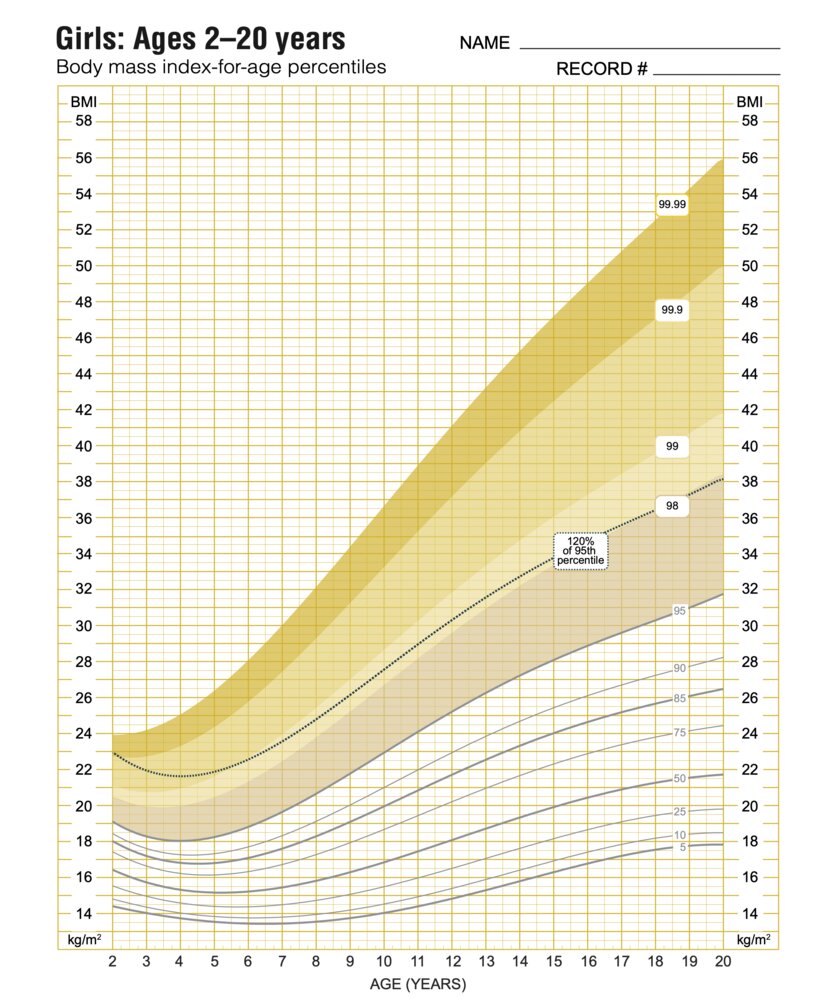
Body mass index [21][22][23][24]
- Definition: the ratio of a person's mass (in kilograms) by the square of the body height (in meters); expressed in units of kg/m2
-
Clinical uses
- Estimates an individual's overall body fat
- Identifies individuals as underweight, healthy weight, overweight, or obese
-
Disadvantages [22]
- Underestimates body fat in older adults or individuals with low muscle mass
- Overestimates body fat in muscular individuals
| BMI classifications [21][22][23][24] | |||
|---|---|---|---|
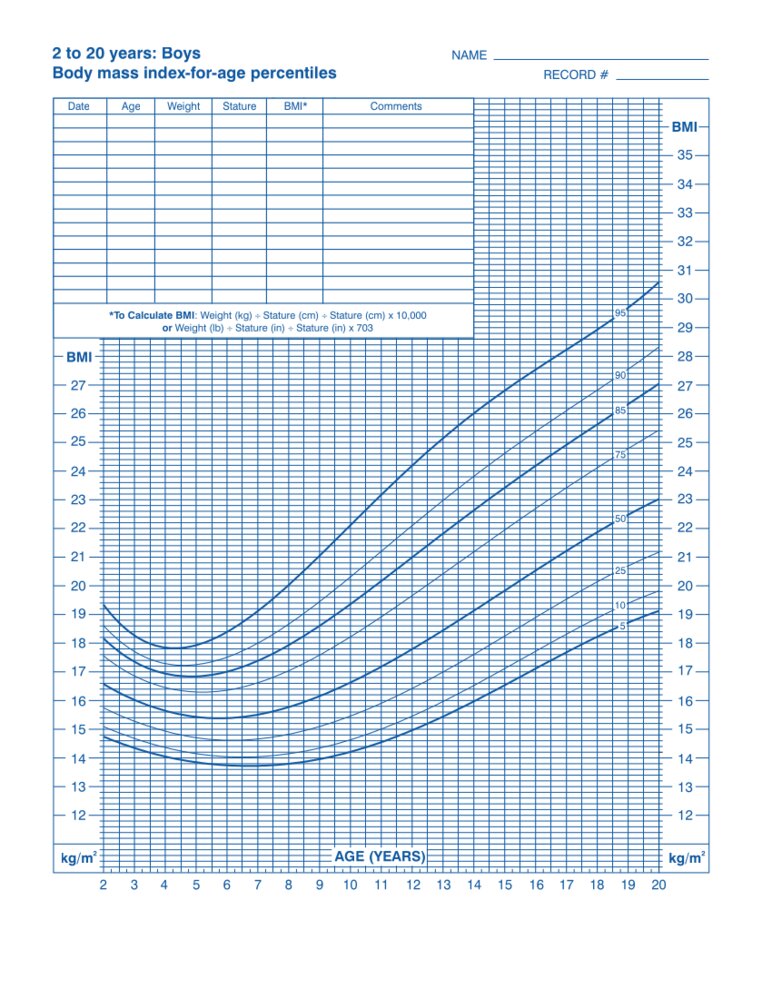
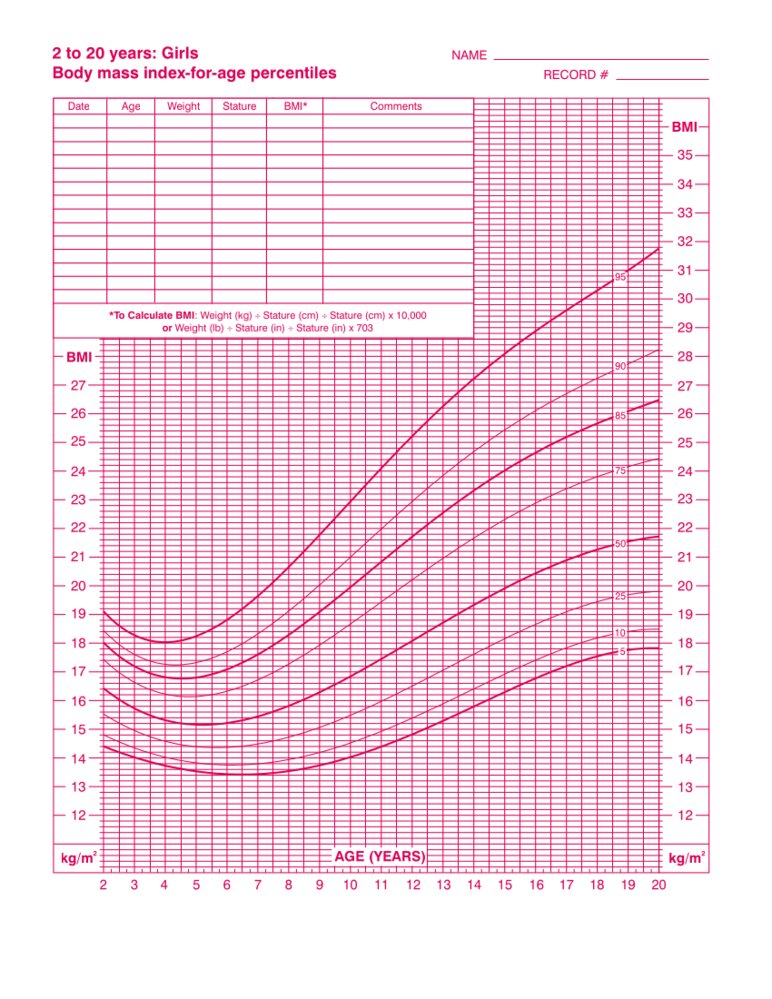
| Adults (absolute BMI) | Children aged ≥ 2 years (BMI percentile for age and sex) [25][26] | ||
| Underweight |
|
|
|
| Healthy weight |
|
|
|
| Overweight |
|
|
|
| Obesity |
|
|
|

Waist circumference [20][22][29][30]
- Definition: the circumference of the waist measured in centimeters or inches, measured at the top of the iliac crest [21][31]
-
Interpretation
- An increased waist circumference indicates abdominal obesity.
- Cutoffs for abdominal obesity in most populations in the US
- Men: ≥ 102 cm (≥ 40 in)
- Women: ≥ 88 cm (≥ 35 in)
- See “Abdominal obesity” for details.
Carbohydrates
-
Malabsorption
- Sucrose malabsorption (sucrase-isomaltase deficiency)
- Sorbitol malabsorption
-
Disorders of glucose metabolism
- Diabetes mellitus type 1, diabetes mellitus type 2
-
Glycogen storage disorders
- Von Gierke disease
- Pompe disease
- Cori disease
- McArdle disease
- Hers disease
- Andersen disease
-
Disorders of galactose metabolism
- Galactosemia
- Lactose intolerance
-
Disorders of fructose metabolism
- Hereditary fructose intolerance (autosomal recessive defect of aldolase B)
- Essential fructosuria (autosomal recessive defect of fructokinase)
-
Alcohol-related disorders
- Metabolic consequences of heavy ethanol consumption
- Wernicke-Korsakoff syndrome
- Alcoholic ketoacidosis
Lipids
-
Hyperlipidemia
- Xanthoma (e.g., tendinous xanthoma)
- Xanthelasma
- Lipemia retinalis
- Arcus lipoides corneae
- Arcus senilis
-
Disorders of fatty acid metabolism
- MCAD deficiency
- Primary carnitine deficiency
- Carnitine palmitoyltransferase II deficiency
-
Atherosclerosis
- Coronary heart disease
- Myocardial infarction
- Stroke
- Peripheral arterial disease
- Carotid artery stenosis
- Cholesterol embolization syndrome
-
Others
- Obesity and metabolic syndrome
- Cholelithiasis (due to cholesterol gallstones)
- Fatty liver
- Abetalipoproteinemia
Proteins
- Protein-energy malnutrition
- Hyperammonemia
- Alkaptonuria
- Homocystinuria
- Phenylketonuria (PKU)
- Cystinosis
- Cystinuria
- Hartnup disease
- Maple syrup urine disease
- Histidinemia
- Organic acidemias
- Arginase deficiency
- Carbamoyl phosphate synthetase 1 (CPS1) deficiency
- N-acetylglutamate synthase deficiency
Vitamins
-
Fat-soluble vitamins
- Vitamin A deficiency
- Vitamin A toxicity
- Vitamin D deficiency
- Vitamin D toxicity
- Vitamin E deficiency
- Vitamin E toxicity
- Vitamin K deficiency
- Vitamin K toxicity
-
Water-soluble vitamins
- Vitamin B1 deficiency
- Vitamin B2 deficiency
- Vitamin B3 deficiency
- Vitamin B3 toxicity
- Vitamin B5 deficiency
- Vitamin B6 deficiency
- Vitamin B6 toxicity
- Vitamin B7 deficiency
- Vitamin B9 deficiency
- Vitamin B12 deficiency
- Vitamin C deficiency
- Vitamin C toxicity
Minerals
- Calcium (hypercalcemia, hypocalcemia)
- Chloride (hyperchloremia, hypochloremia)
- Potassium (hyperkalemia, hypokalemia)
- Sodium (hypernatremia, hyponatremia)
- Phosphorus (hyperphosphatemia hypophosphatemia)
- Magnesium (hypermagnesemia, hypomagnesemia)
- See also “Acid-base disorders” and “Electrolyte repletion”.
Trace elements
-
Iron
- Iron deficiency anemia
- Hemochromatosis
- Iron toxicity
-
Copper
- Menkes disease
- Wilson disease
- Zinc: acrodermatitis enteropathica
-
Iodine
- Iodine deficiency
- Iodine excess
Weight changes
-
Unintentional weight loss
- Malignancy (e.g., lung cancer, colorectal cancer)
- Endocrinopathies (e.g., hyperthyroidism, hypocortisolism, diabetes mellitus)
- Gastrointestinal conditions (e.g., gastritis, celiac disease, Crohn disease, ulcerative colitis)
- Conditions with organ failure (e.g., COPD, renal failure)
- Infectious diseases (e.g., tuberculosis, HIV)
- Inherited disorders (e.g., cystic fibrosis)
- Psychiatric conditions (e.g., schizophrenia, bipolar disorder, major depression)
- Polytrauma
-
Unintentional weight gain
- Endocrine changes
- ↑ Cortisol (associated with, e.g., Cushing syndrome, stress, depression, anxiety)
- ↑ Ghrelin/↓ leptin (associated with insomnia)
- ↑ Insulin (associated with insulinoma)
- ↓ Thyroid hormones (associated with, e.g., Hashimoto thyroiditis)
- ↓ Growth hormone (associated with, e.g., infection, brain tumors)
- ↑/↓ Estrogen (associated with, e.g., polycystic ovary syndrome, pregnancy, premenopause)
- Medication
- Antidepressants (e.g., mirtazapine)
- Corticosteroids (e.g., prednisone)
- Antipsychotics (e.g., risperidone)
- Beta blockers (e.g., labetalol)
- Insulin
- Antithyroid drugs (e.g., methimazole)
- Endocrine changes
-
Eating disorders
- Anorexia nervosa
- Bulimia nervosa
- Binge eating disorder
- Pica
- Pregnancy (see also: “Nutrition during pregnancy”)
-
Gastrointestinal conditions
- Gastrointestinal atresia and stenosis
- Esophageal atresia
- Hypertrophic pyloric stenosis
- Malabsorption
- Protein-losing enteropathy